Schlossberg & Graz Clock Tower
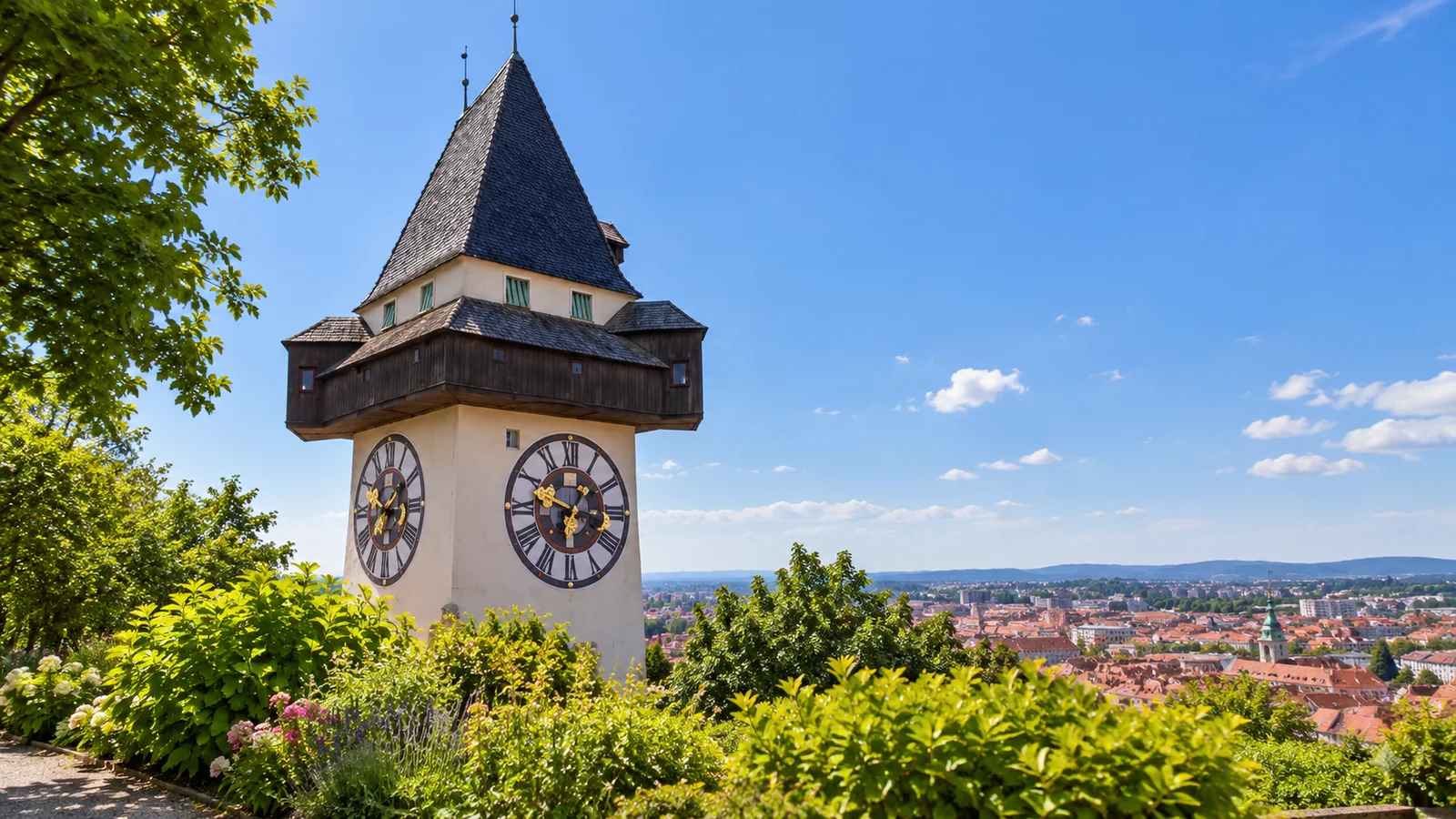
Graz’s unusual clock hands, timber gallery and hilltop city view.
01 / The experience
The city beneath the Clock Tower
The Clock Tower is the familiar shape above Graz, but its clock faces reward a closer look. The long hand marks the hours and the shorter hand the minutes. The hour hand came first, made large enough to be read from a distance; the minute hand was added later. The unusual arrangement preserves the order in which the clock developed, with the hour remaining the easiest information to read from below.
A tower on this part of the Schlossberg was recorded in the thirteenth century. Its present form largely dates from the rebuilding of the fortifications around the middle of the sixteenth century, including the projecting wooden gallery used by the fire watch. The pale tower, enormous faces and dark timber structure make a particularly strong landmark among the hill’s trees and planted gardens.
The clock mechanism made by Michael Sylvester Funck in 1712 still forms part of the tower’s working history, although electrical power was introduced in the twentieth century. Bells give the building another connection to the life below. One warned of fire, one struck the hours, and the bell associated with executions later became a curfew bell. The tower was an instrument of everyday urban life as well as a piece of the fortress.
The Bürgerbastei beneath it once had a defensive purpose; today its planted setting and benches help make this one of the most appealing places to look across Graz. The red roofs, church towers and streets are close enough to connect the panorama with a walk in the old town. You can make the Clock Tower a focused stop, or continue across the hill to other remnants of the fortifications and the Graz Museum Schlossberg.
Getting up the hill changes the character of the outing. The Felsensteig rises from Schlossbergplatz by a long staircase, while paths from Karmeliterplatz and Wickenburggasse provide other walking approaches. The funicular and the lift offer alternatives to a full climb. The staircase makes the hill’s height tangible, while the lift and funicular offer different ways into its paths and gardens.
The exterior is the dependable starting point for a visit. Interior visits take place through particular tours or announced openings. For most visitors, the combination of the timber gallery, the unusual clock faces and the view over the city already gives the hill a clear focus.
04 / Before you go
Plan your visit
Admission & visit options
Outdoor visit free; lift, funicular and guided/interior access charged separately.
When to visit
Outdoor hill and tower views generally accessible at all times; lift, funicular and tower-interior visits have their own operating schedules.
Allow 30–45 minutes at the tower, or around 2 hours for a wider hill walk.
Getting there
Uhrturm, Schlossberg, 8010 Graz
Walk via the Schlossberg paths or use the lift or funicular. The Felsensteig staircase from Schlossbergplatz has 260 steps.
Plan your visit
The outdoor visit needs no reservation. Interior visits follow the official tower-tour and seasonal-opening programme.
Accessibility
The staircase is strenuous and is not a step-free approach. Use the operator’s lift/funicular access information and the hill paths for mobility planning.
Location & nearby places
Continue exploring / Austrian Grand Prix
More to explore
in Austrian Grand Prix
Find another place for your itinerary, or explore all things to do in Austrian Grand Prix.
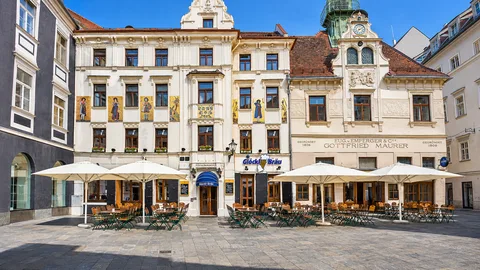 Cafés & casual diningGlöckl BräuExplore experience →
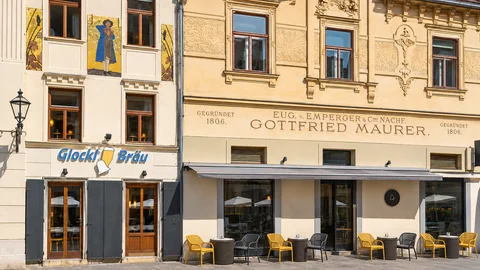 Nightlife And BarsGlockenspiel Café Bar LoungeExplore experience →
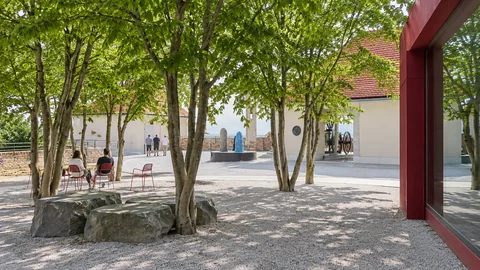 Museums & heritageGraz Museum SchlossbergExplore experience →
 Museums & heritageKunsthaus GrazExplore experience →
Good to know
Schlossberg & Graz Clock Tower: frequently asked questions
Is Graz Clock Tower’s interior included in a free Schlossberg visit?
At Schlossberg in Graz, the outdoor clock-tower view and hill access are free. The interior has separate tours or announced openings; paid transport also has its own ticket.