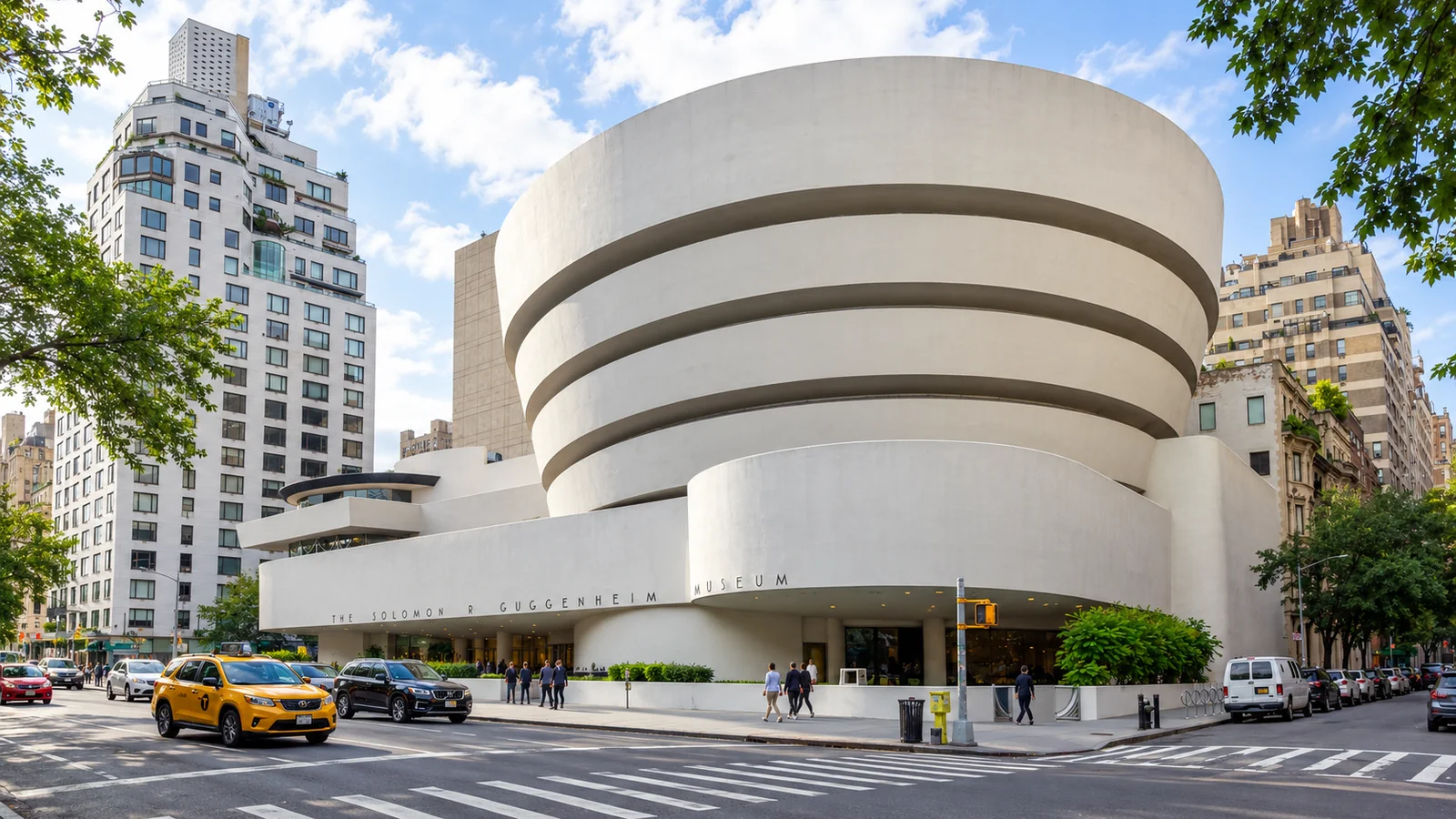
Guggenheim Museum
Frank Lloyd Wright’s spiral galleries, modern art and the Thannhauser Collection.
01 / The experience
A museum shaped around the walk.
Frank Lloyd Wright’s spiral galleries, modern art and the Thannhauser Collection.
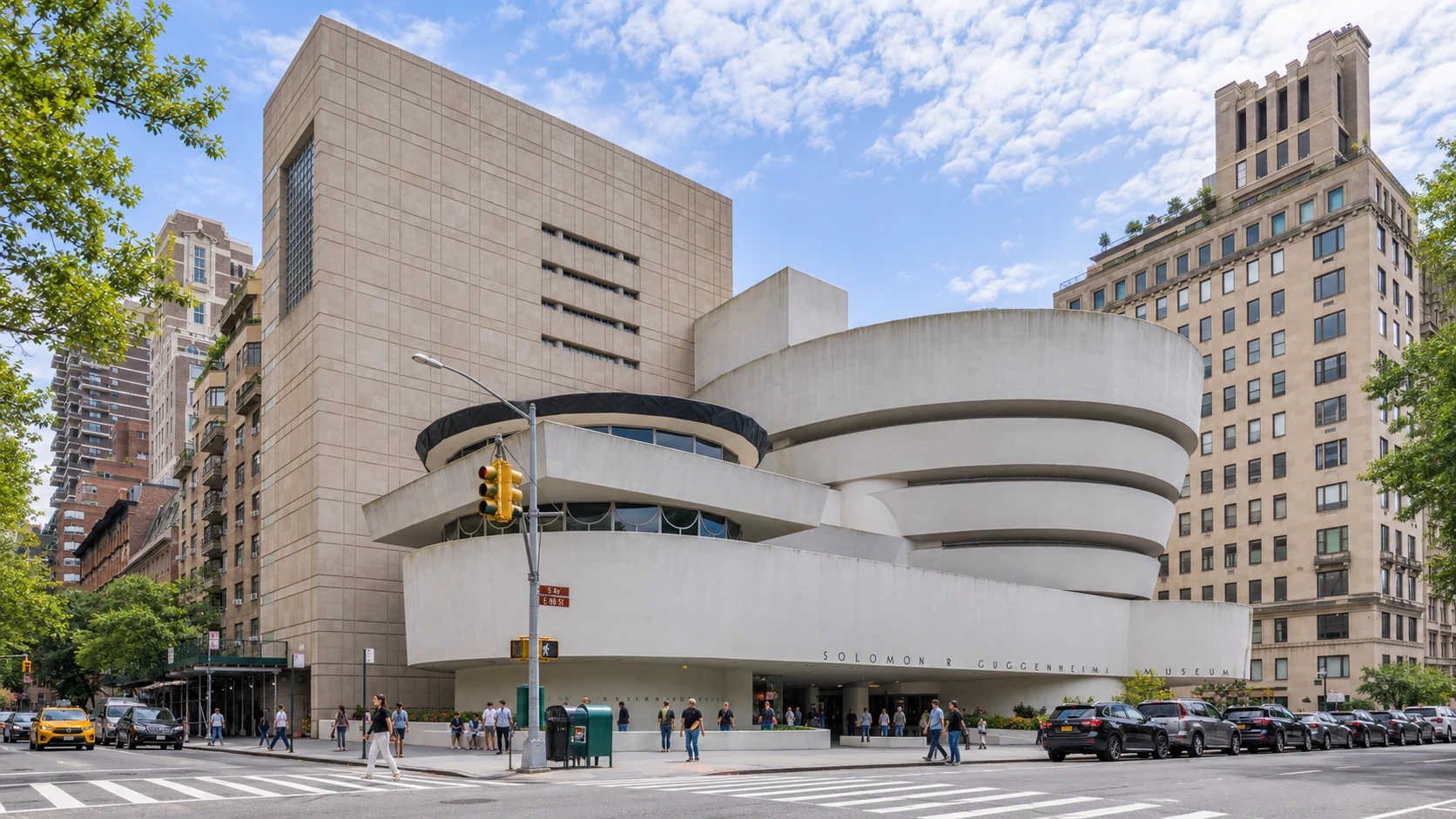
At the Guggenheim, the route through the building is part of the encounter with art. Frank Lloyd Wright’s white spiral stands apart from the rectangular apartment buildings of Fifth Avenue. Inside, the central rotunda opens towards a glazed oculus, while the continuous ramp turns around the space. You can see people on other levels before you reach the works beside them, so the museum remains a shared volume rather than a sequence of sealed rooms.
The building opened in 1959, after a long development from Solomon R. Guggenheim’s interest in non-objective art. Its architecture makes that interest tangible through curves, repeated bands and changing points of view. The low fountain at the rotunda floor anchors one end of the space; the radial glazing overhead anchors the other. Walking the ramp changes their relationship without losing sight of the building as a whole.
Exhibitions use that continuous setting in different ways. A presentation can unfold along the ramp, occupy parts of the rotunda or send visitors into the adjoining galleries. The exhibition programme therefore matters to the visit as much as the architecture, from a large installation in the central volume to a focused presentation along the walls. Installation periods can change which areas are open.
The Thannhauser Collection offers another scale of looking. Its Impressionist, Post-Impressionist and modern French holdings include artists such as Manet, Degas, Van Gogh and Picasso. Paintings sit within more intimate gallery spaces alongside the museum’s broader identity in modern and contemporary art. Works rotate, so a favourite artist in the collection is a reason to explore the programme rather than a promise that one painting will be on the wall.
The Annex introduces a useful architectural contrast. Flat walls, rectangular openings and overhead gallery lighting create rooms quite different from the sloping spiral. Seeing both helps explain why the building is more varied than its celebrated exterior suggests. The Peter B. Lewis Theater adds a further setting for talks, performances and other scheduled programmes; access follows the relevant event arrangements.
Details reward a second look on the way out: the round windows beside the education spaces, the smaller curved volumes on the northern side and the way the Museum Store fits its shelves into the architecture. Across Fifth Avenue, Central Park gives the white concrete a green foreground. The Guggenheim brings architecture, exhibition-making and individual works into the same visit, with each changing how the others are seen.
In pictures
The full gallery.
Highlights
- 01
- 02
$30 per adult
04 / Before you go
Plan your visit
Allow 2 hours.
Admission
$30 per adult
General admission $30; students and visitors aged 65+ $19 with the required identification. Children under 12 enter free.
Exhibition installation and programme arrangements can affect available galleries.
When to visit
Daily, 10:30 a.m.–5:30 p.m.; holiday and special closures apply.
Arrival
Enter at 1071 Fifth Avenue, at East 88th Street. Nearby subway options include the 4, 5, 6 and Q; the final approach is a street walk.
1071 Fifth Avenue, New York, NY 10128
Tickets & visiting
Advance tickets are recommended; admission is also sold at the museum subject to availability.
The exhibition programme and installation periods determine which galleries are open.
Theater events and other scheduled programmes have their own admission arrangements.
Accessibility
The main spiral gallery has a continuous slope. Use the museum’s accessibility guidance for the entrance, lifts, mobility assistance and programmes that meet your needs.
Location & nearby places
Continue exploring / New York
More to explore
in New York
Find another place for your itinerary, or explore all things to do in New York.
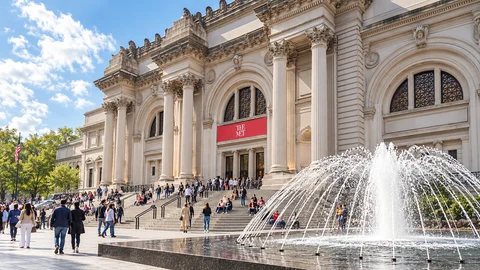 01Culture & landmarksThe Met Fifth AvenueExplore experience →
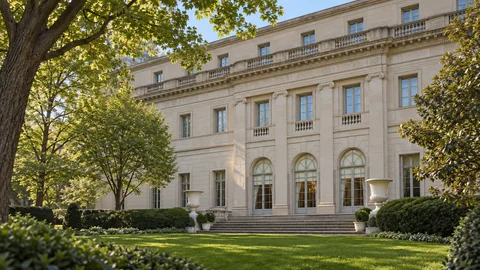 02Culture & landmarksThe Frick CollectionExplore experience →
 03Parks & gardensCentral Park — Bethesda Terrace & the LakeExplore experience →04Neighbourhoods & districtsUpper East SideExplore experience →
06 / Good to know
Guggenheim Museum: frequently asked questions
01How long should I allow?
Allow 2 hours.
02Is the whole collection always on display?
No. Works and exhibitions rotate, and installation periods can affect access to galleries. The museum’s current exhibition programme describes the displays for your visit.