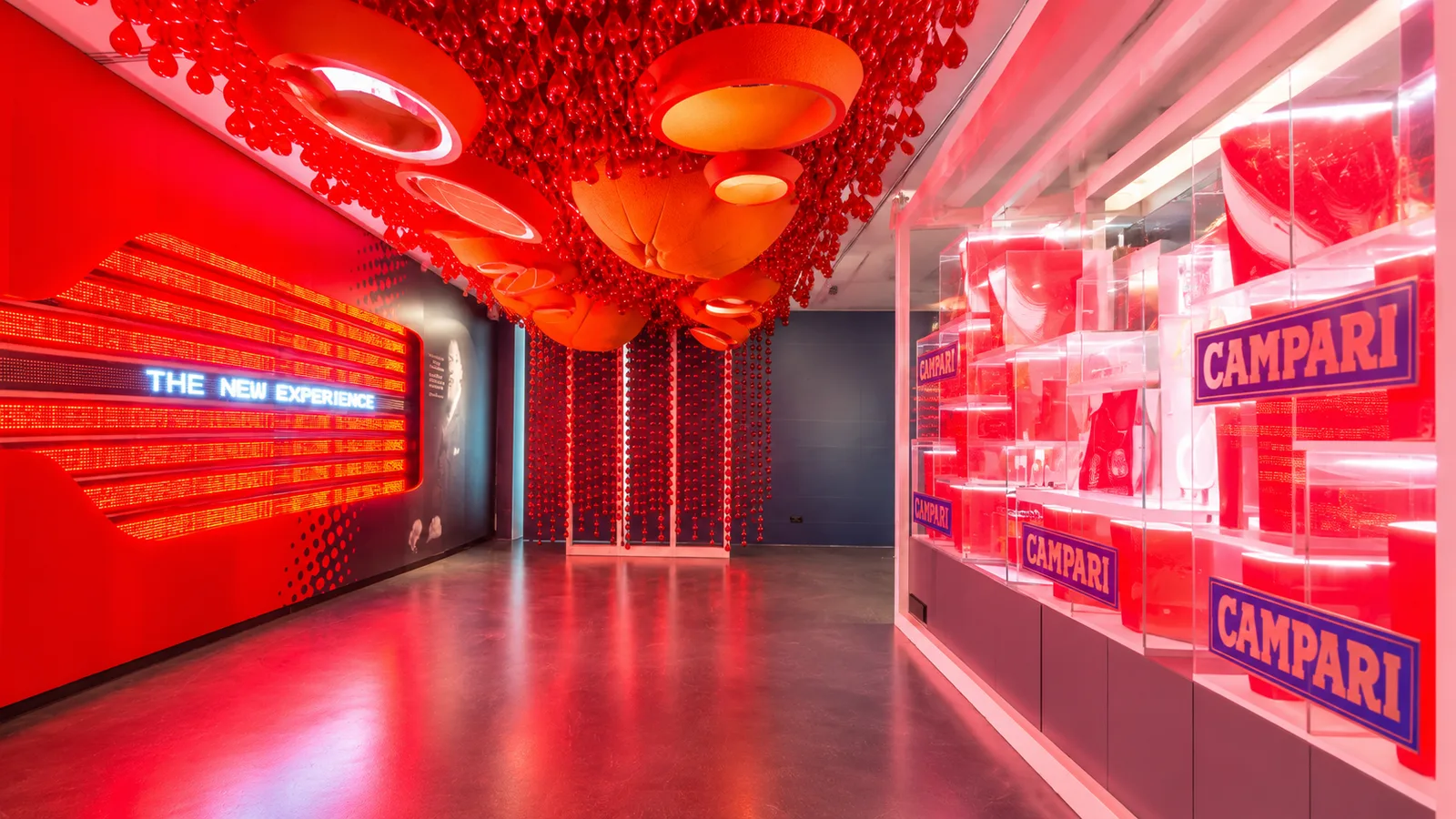
Galleria Campari
Italian graphic art, cinema and design through the archive of the red aperitivo.
01 / The experience
Galleria Campari
A Campari poster can make a bottle, a word or a red silhouette do the work of an entire scene. Galleria Campari brings those ideas together in the place where the company once manufactured its drinks: Sesto San Giovanni, north of central Milan. The subject is the long relationship between a commercial brand and visual culture, told through original works, design objects and moving images. It is especially rewarding for anyone drawn to illustration, typography and the history of advertising.
The setting carries its own part of the story. Davide Campari established the industrial production site here in 1904, and the surviving Liberty-style building was incorporated into the later headquarters redevelopment by Mario Botta. The gallery opened in 2010 for Campari’s 150th anniversary. Visiting therefore connects the graphics with the business and working landscape that helped make them familiar.
The archive brings together thousands of works, from Belle Époque posters to twentieth-century drawings, studies and advertisements. Names include Marcello Dudovich, Leonetto Cappiello, Fortunato Depero, Franz Marangolo, Guido Crepax and Ugo Nespolo. The interest lies in how differently they approached a recognisable product: a bold character, an energetic arrangement of lettering or a fashionable figure can each construct a different world around the same drink. The gallery’s selection and multimedia displays introduce this broader archive rather than putting every stored work on the walls.
Cappiello’s Spiritello is one of the brand’s best-known characters. Depero’s contribution reaches beyond printed graphics to the Campari Soda bottle, introduced in 1932. Its small, label-free form and textured glass make the package part of the visual identity. Bruno Munari’s graphic work adds another Milanese connection: his Campari lettering for the opening of the M1 underground line belongs to a city learning to read images at speed. These are useful examples of design operating on a poster, in the hand and in public space.
Objects from the world of the bar bring the story back to use. Historic bottles, glasses, shakers and decorated mirrors show how advertising entered the places where aperitivo was served. Seen beside the graphics, they connect a public image with a physical setting. The museum is about that wider visual and social history, rather than simply a succession of drinks labels.
Film extends the same story into movement. Campari’s collaborations include Federico Fellini and Tarsem, with advertising and calendar imagery adding further ways of presenting the brand. The contrast between original paper works and multimedia interpretation gives the visit a changing pace. It also makes clear how one company’s communication can become a record of broader shifts in Italian design, cinema and habits of socialising.
04 / Before you go
Plan your visit
Italian graphic art, cinema and design through the archive of the red aperitivo.
Cost
Select a museum visit
Price follows the selected museum visit; tasting inclusions belong to the named product.
When to visit
Visits follow the operator’s reservation calendar.
Use the duration of the selected visit.
Getting there
Viale Antonio Gramsci 161, Sesto San Giovanni
Use the operator’s visitor entrance at Viale Antonio Gramsci 161, Sesto San Giovanni.
Plan your visit
Ask galleria@campari.com about the visit and access for your dates. English-language, group and out-of-hours visits use galleriacampari@adartem.it. Choose the specific visit; a tasting or cocktail is included only when the selected product says so.
English-language visits require the stated enquiry arrangement.
Do not assume a cocktail or tasting is included.
Visitors with reduced mobility should arrange their route with Galleria Campari before reserving.
Location & nearby places
Continue exploring / Italian Grand Prix
More to explore
in Italian Grand Prix
Find another place for your itinerary, or explore all things to do in Italian Grand Prix.
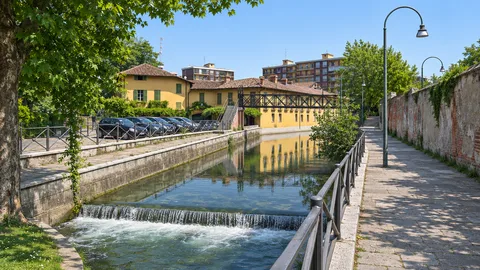 Outdoor adventures & active sportMartesana canal ride from Cassina de’ PommExplore experience →
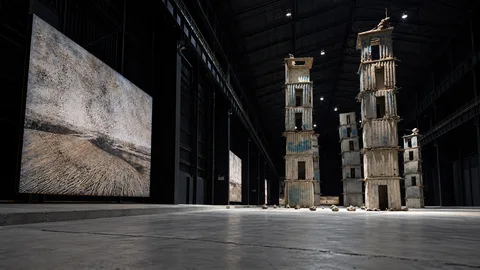 Art, museums & Italian heritagePirelli HangarBicocca · The Seven Heavenly PalacesExplore experience →
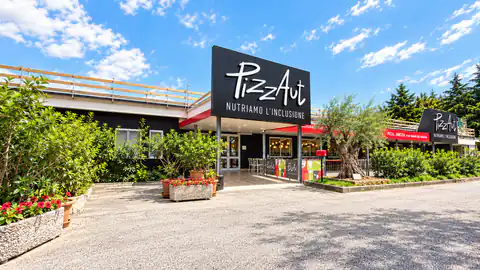 Pizza & affordable Italian foodPizzAut MonzaAffordable: counter food and pizza. Mid-range: trattorias and osterias. Special occasion: premium à la carte or tasting menus. Figures may describe a dish or a menu; see the stated basis.ItalianPizzaExplore experience →
 Bars & nightlifeCarrobiolo Brewpub near Monza stationExplore experience →