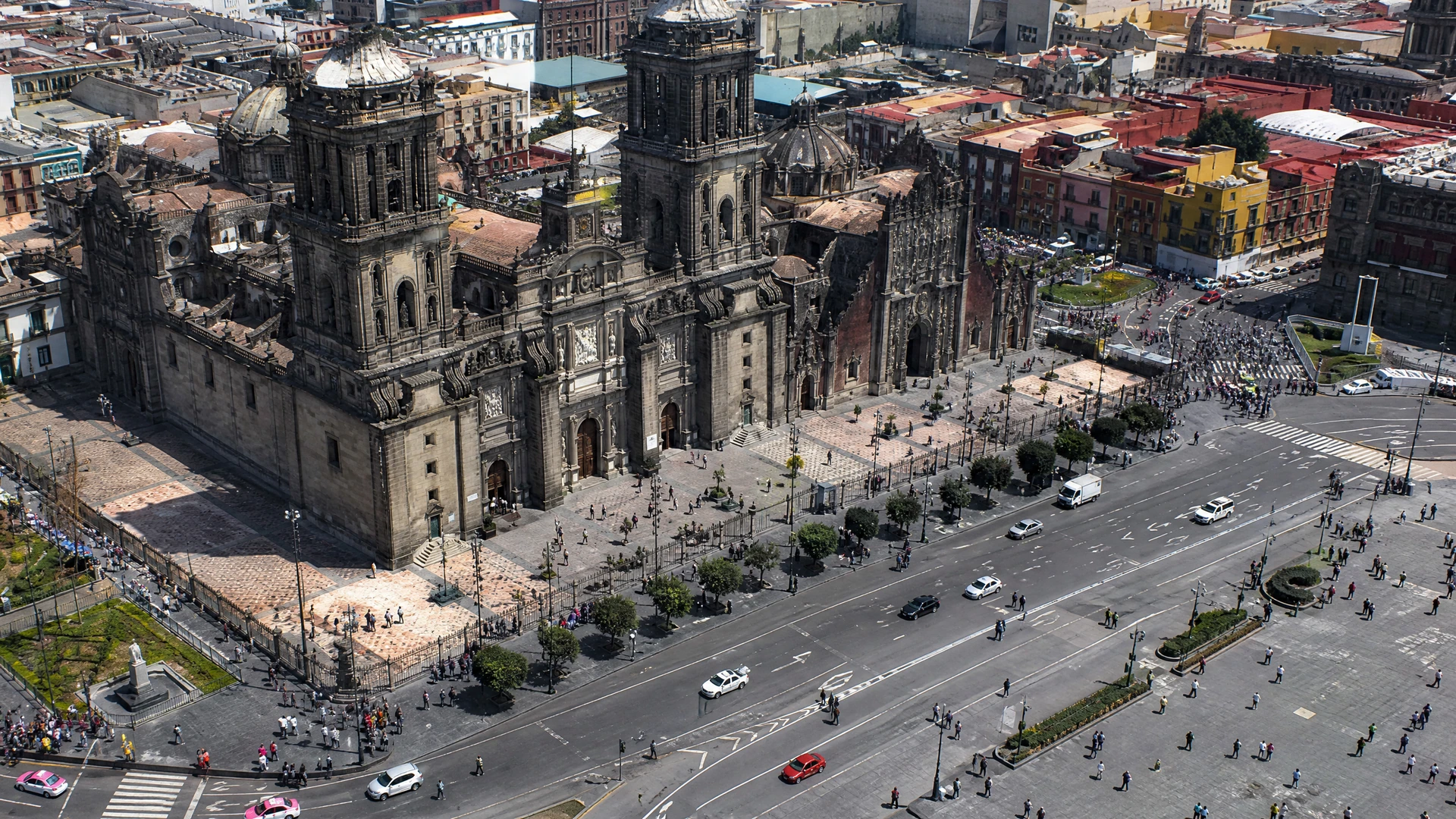
Zócalo · Plaza de la Constitución
Walk Mexico City’s civic square between the cathedral, Palacio Nacional and historic arcades, with Templo Mayor and Madero close by.
01 / The experience
Zócalo · Plaza de la Constitución
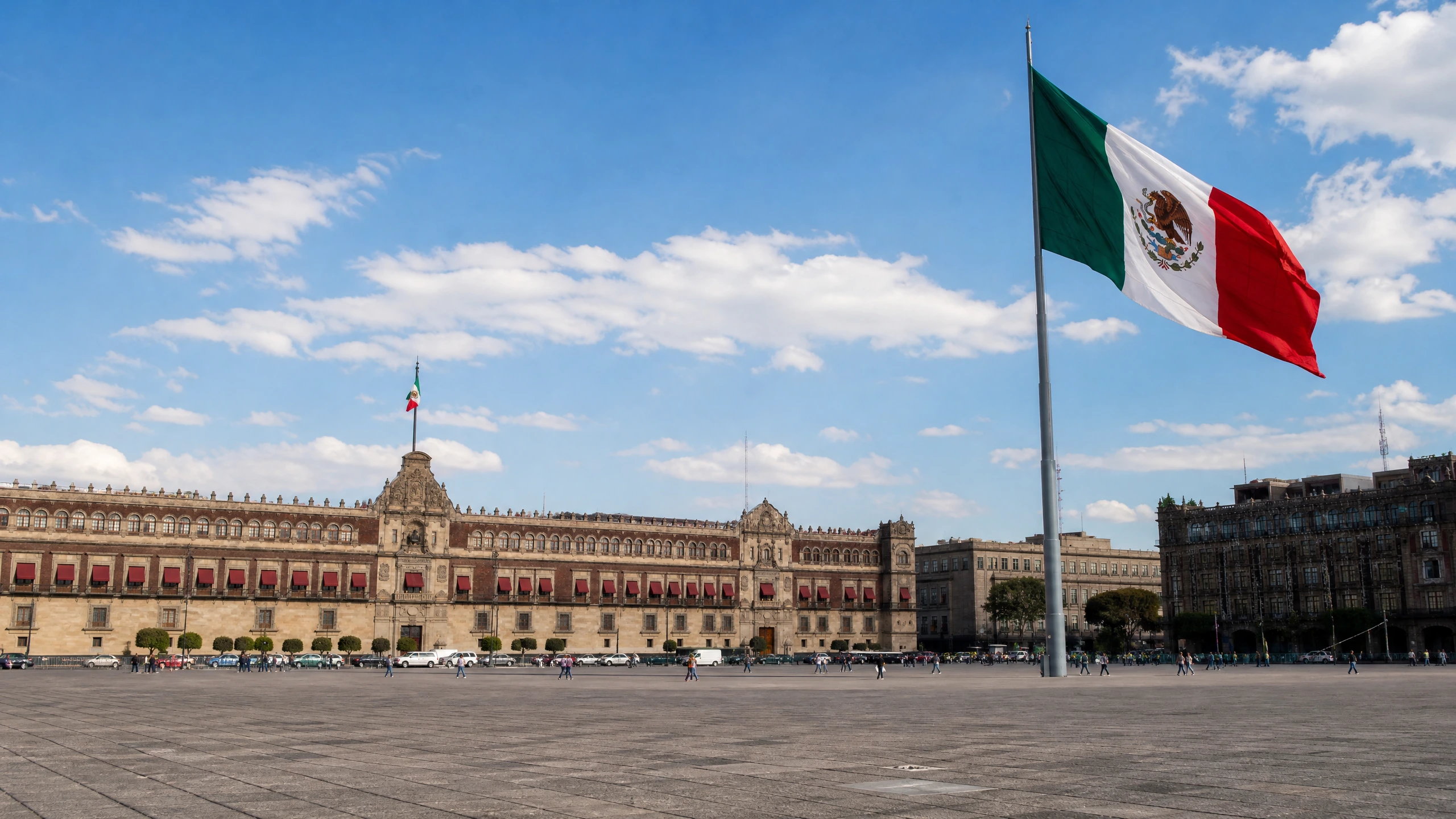
The Zócalo is a useful place to read Mexico City in four directions. The Metropolitan Cathedral closes the northern side, Palacio Nacional stretches along the east, and the Antiguo Palacio del Ayuntamiento anchors the south. The western edge brings the arcades of the Portal de los Mercaderes and the buildings around Monte de Piedad into the scene. Their different roles—religious, national, municipal and commercial—explain why this remains a working civic centre as well as a major visitor landmark.
Its formal name, Plaza de la Constitución, refers to the Constitution of Cádiz of 1812. The familiar name has a more curious origin: a nineteenth-century independence monument was planned here, but only its base, or zócalo, was built. The name outlived that unfinished project. Templo Mayor, just beyond the cathedral area, gives the square a much longer context in the ceremonial centre of Tenochtitlan.
The perimeter became pedestrian space in 2024, extending the experience beyond the broad central plaza. Madero provides a pedestrian connection west towards the Bellas Artes and Alameda area. It is a straightforward way to combine the square with a Centro walk, while the northern streets of 5 de Mayo and Tacuba still carry traffic. Authorised service and official vehicles can enter parts of the precinct, so pedestrianisation does not mean every surrounding street is vehicle-free.
A quiet square and a festival-filled square are both part of the Zócalo's character. Civic ceremonies, demonstrations, concerts and seasonal installations can change its appearance and the available entrances. During Día de Muertos, the monumental ofrenda brings the city's public commemoration into this space. Its programme and managed access are separate from an ordinary walk across the plaza.
The surrounding façades are part of the outdoor visit; entering a museum, cathedral or government building is a separate decision with its own access arrangements. Templo Mayor's ruins and museum need their own admission, while a rooftop meal overlooking the square is a restaurant booking. The Zócalo itself works as the open-air connection between those choices.
In pictures
The full gallery.
Highlights
- 01
Cathedral north, Palacio Nacional east
- 02
Pedestrian plaza and perimeter
- 03
Seasonal events can change access
04 / Before you go
Plan your visit
Walk Mexico City’s civic square between the cathedral, Palacio Nacional and historic arcades, with Templo Mayor and Madero close by.
Cost
Free public ofrenda
The public square and city ofrenda are free. Admission to neighbouring museums, rooftop meals and other ticketed activities is separate.
When to visit
Outdoor plaza. Ofrenda dates and daily access follow the city programme; do not assume unrestricted entry or all-night opening.
Allow 45–90 minutes, plus queues and travel
Getting there
Zócalo · Plaza de la Constitución
Plaza de la Constitución, Centro Histórico, Cuauhtémoc, Ciudad de México
The pin marks the centre of Plaza de la Constitución, not an event entrance. Madero is a pedestrian approach from the west. Zócalo/Tenochtitlan is on Metro Line 2; station or exit closures during major events may require another Centro station. Follow the signed pedestrian lanes.
Plan your visit
No ticket is needed for an ordinary plaza visit. The city programme gives seasonal ofrenda details; events, security cordons and capacity controls can change entrances and access.
Accessibility
Ask about the currently accessible entry lane, crowd arrangements and resting places. An open plaza does not guarantee an unobstructed wheelchair route.
Location & nearby places
Continue exploring / Mexico City
More things to do
in Mexico City
Explore Mexico City activities, sights and places to eat. Compare the time to allow, costs and booking details, then save your favourites to your itinerary.
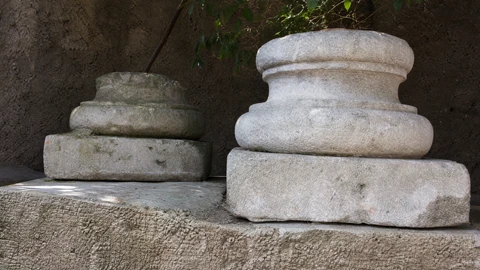 01Museums & cultureTemplo Mayor · ruins and museumExplore experience →
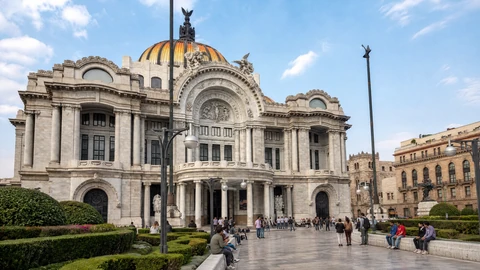 02Museums & cultureMuseo del Palacio de Bellas ArtesExplore experience →
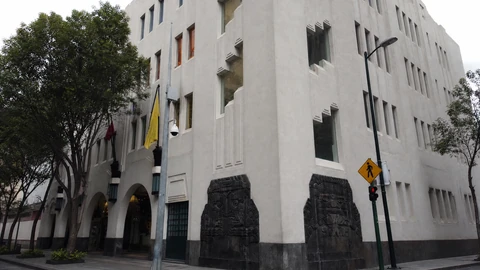 03Museums & cultureMuseo de Arte PopularExplore experience →
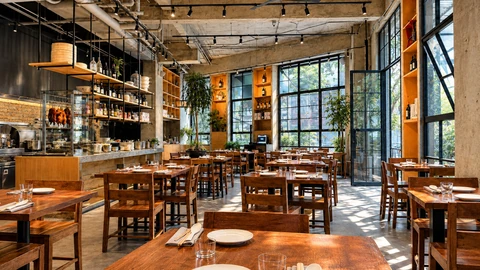 04RestaurantsMakanSingaporeanExplore experience →
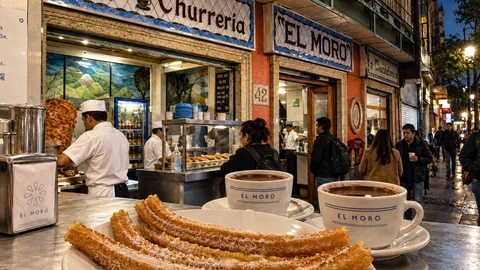 05Local & casual diningChurrería El Moro · Centro HistóricoChurros and chocolateExplore experience →
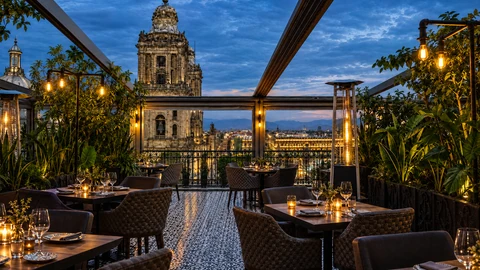 06Destination diningBalcón del ZócaloMexicanExplore experience →