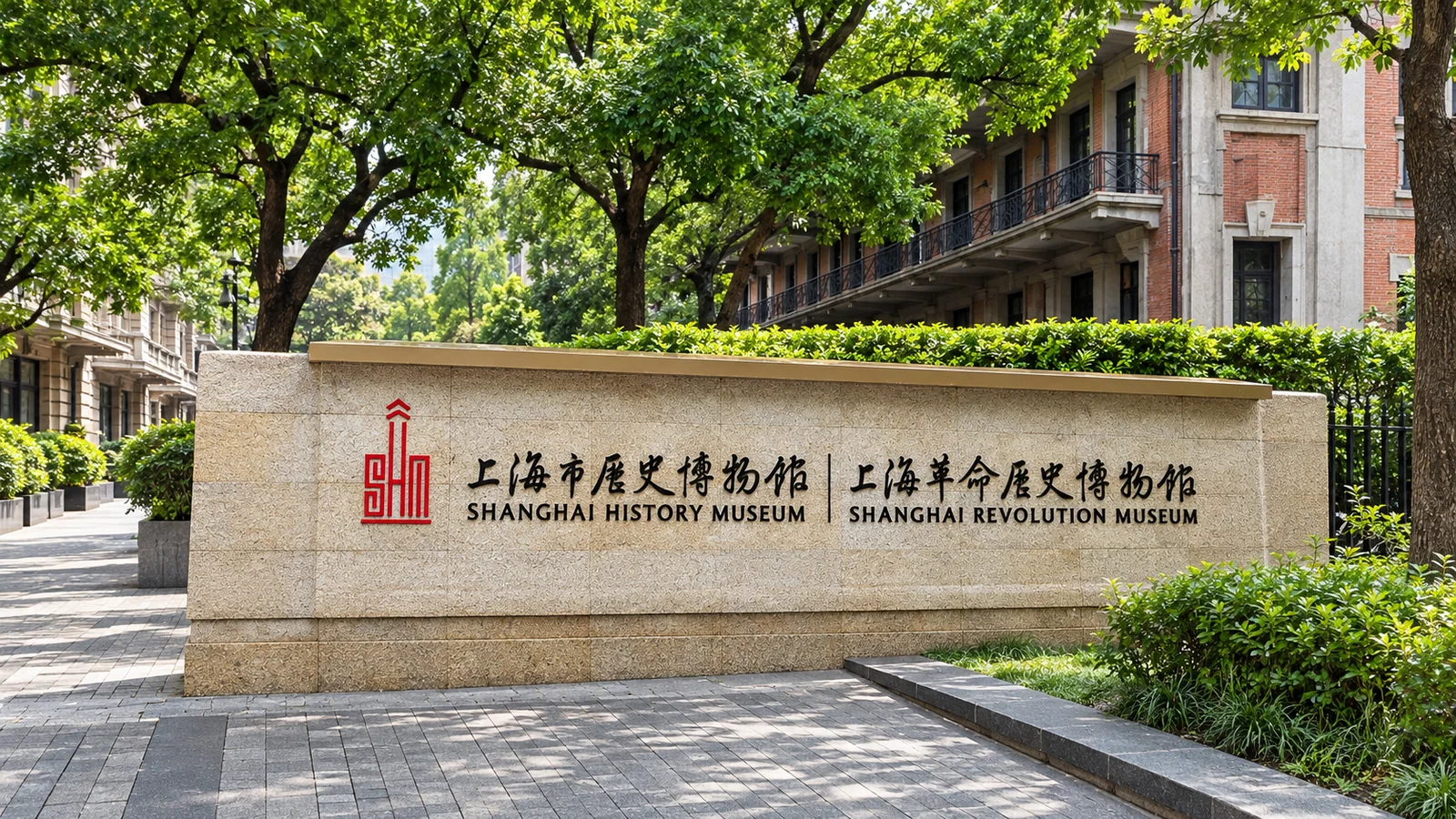
Shanghai History Museum
Follow Shanghai’s development through its city history collections near People’s Square.
01 / The experience
Shanghai History Museum
The Shanghai History Museum gives the city a past beyond the familiar story of the Bund. Its permanent displays run from ancient Shanghai to the modern metropolis, bringing objects, industry and political change into the same visit. The People’s Square location makes it a useful first museum if you want a framework for the streets you will explore afterwards.
The main sequence is in the east building. After the ground-floor introduction, Ancient Shanghai occupies the second floor, followed by Modern Shanghai on the third and fourth. Special and temporary displays use additional spaces in the east and west buildings. Following that sequence helps place the city’s rapid modern growth within a much longer regional history.
The collection includes objects that connect directly with the city outside. A bronze lion associated with HSBC belongs to the commercial world of the Bund. A cotton-processing machine made by Britain’s Dobson and Barlow points towards the textile industry that helped shape Shanghai’s economy. The machine’s history runs through the Sanxin factory and its later purchase by Shenxin, making an industrial object a route into the story of Chinese enterprise.
The Zhen Yuan General’s bronze cannon brings the mouth of the Huangpu and the defence of Wusong into view. Made under the supervision of Chen Huacheng and installed at Wusong Fort, it connects Shanghai with the First Opium War. It is a very different kind of evidence from the domestic and ceremonial objects elsewhere in the collection, such as the elaborate bridal sedan chair.
Another notable document records the 1911 provisional presidential election. Yuan Xiluo, a Jiangsu representative who served as a clerk, made copies of the result for provincial representatives; the museum holds one of those records. Alongside maps, illustrated publications and industrial objects, it shows how the museum uses individual things to explain wider events.
The museum is substantial enough to choose a focus rather than treating it as a brief indoor stop. The permanent route is the strongest starting point for a first visit; a temporary exhibition can be an additional choice if its subject interests you. General admission is free, while guided services and special arrangements have their own conditions. Keep the normal Monday closure in mind when placing it around the race weekend.
Highlights
- 01
Free general admission
- 02
Tuesday–Sunday 09:00–17:00; last admission 16:00. Normally closed Mondays, except public holidays.
04 / Before you go
Plan your visit
Admission & cost
Free general admission
General admission is free. Check the current terms of any special exhibition or separately booked activity.
When to visit
Tuesday–Sunday 09:00–17:00; last admission 16:00. Normally closed Mondays, except public holidays.
Allow an estimated 90–120 minutes.
A useful indoor choice on a free city day. Its regular Monday closure falls on 12 and 19 April 2027.
Arrival & access
Use 325 West Nanjing Road near People’s Square. This is the former racecourse clubhouse museum, not Shanghai Museum East or an exhibition inside a Pudong tower.
325 West Nanjing Road, Huangpu · 黄浦区南京西路325号
Plan your visit
Check current visitor notices and bring original identification. Groups of more than 20 have separate advance-booking arrangements. Do not assume a special exhibition or guided service is included.
Location & nearby places
Continue exploring / Shanghai
More to explore
in Shanghai
Find another place for your itinerary, or explore all things to do in Shanghai.
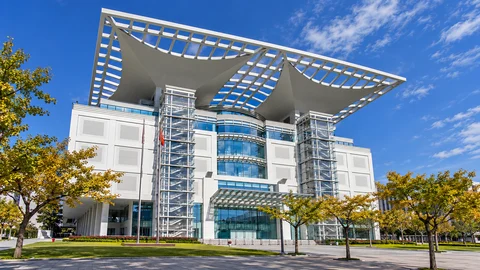 Museums & Chinese cultureShanghai Urban Planning Exhibition HallExplore experience →
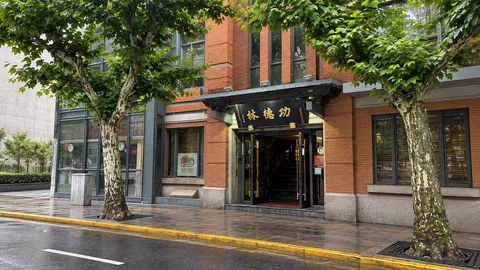 Local food & marketsGong De Lin — West Nanjing RoadExplore experience →
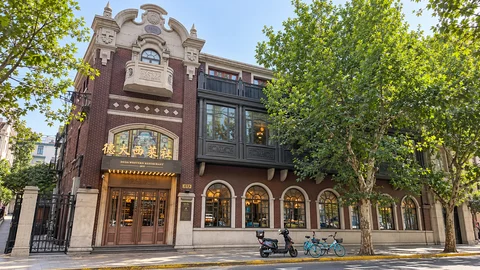 Local food & marketsDeda — Nanjing West RoadExplore experience →
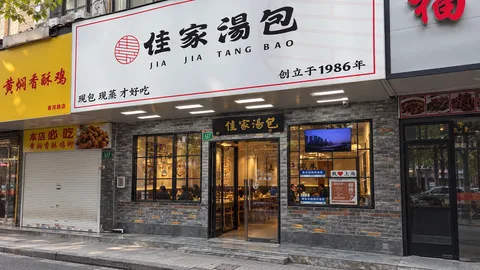 Local food & marketsJia Jia Tang Bao — Huanghe RoadExplore experience →
Good to know
Shanghai History Museum: frequently asked questions
Is Shanghai History Museum the same as Shanghai Museum East?
Shanghai History Museum covers Shanghai’s city history at 325 West Nanjing Road; Shanghai Museum East is a separate ancient-art museum in Pudong.