Beit Al Quran manuscript museum
Explore the manuscript and book arts of Beit Al Quran, from early parchment and miniature writing to calligraphy across the building and mosque dome. Arrange gallery admission by phone.
01 / The experience
From handwritten pages to calligraphy in glass.
Explore the manuscript and book arts of Beit Al Quran, from early parchment and miniature writing to calligraphy across the building and mosque dome. Arrange gallery admission by phone.
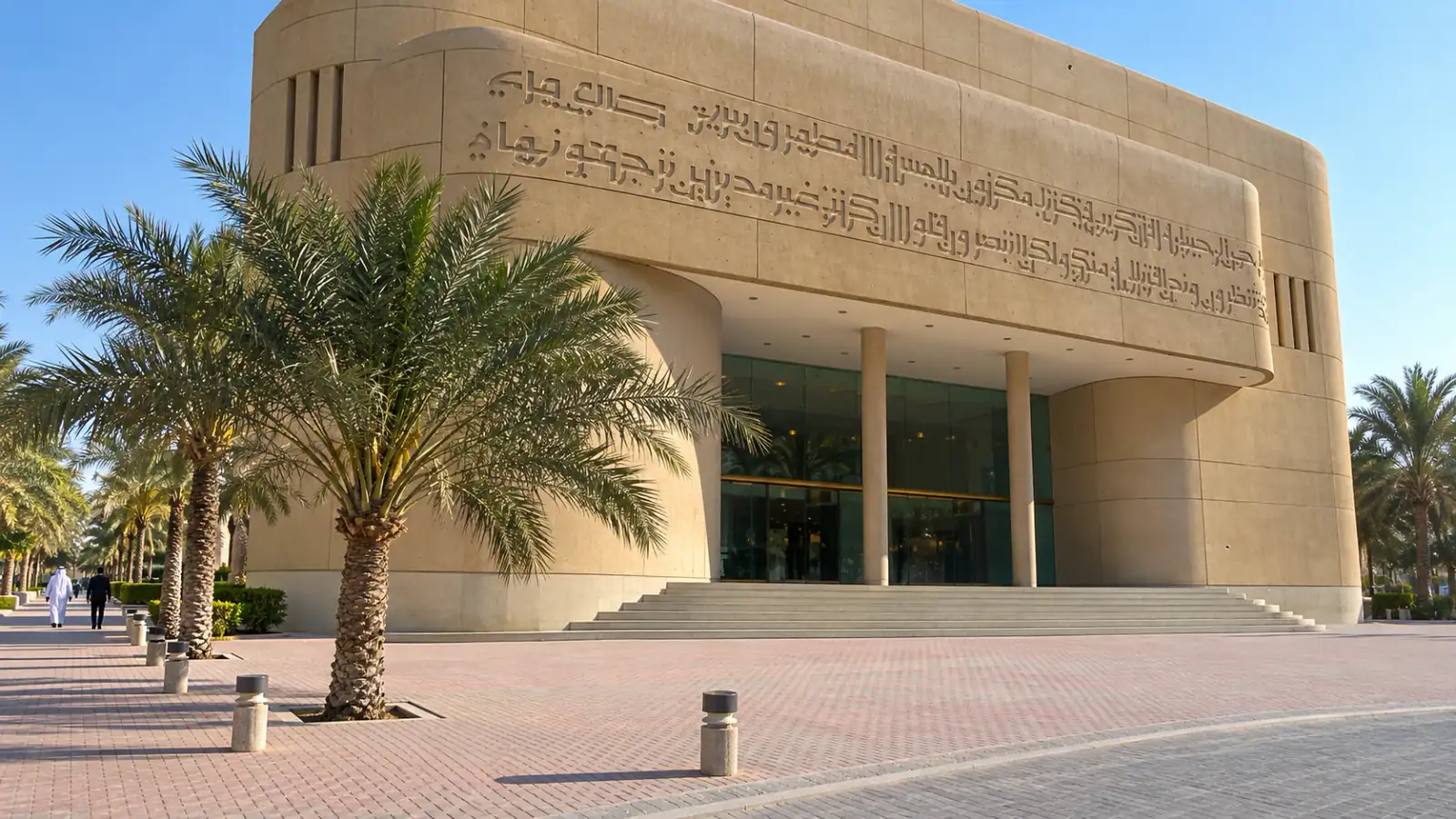
The lettering on Beit Al Quran’s exterior introduces the subject before you reach a display case. Arabic script crosses the pale façade, turning the building into a surface for the written word. Inside the institution, that same interest moves between handwritten pages, decorated books and the calligraphy of a stained-glass dome. A visit can be rewarding even without reading Arabic: the scale of a page, the rhythm of the lines and the relationship between writing and ornament provide different ways to look.
The collection grew from the manuscripts and Islamic art assembled by Dr Abdul Latif Jassim Kanoo. His donation formed the foundation of the Al Hayat Museum, within a wider cultural institution established in 1990. That origin helps explain the range. Beit Al Quran brings together the study and preservation of books with a mosque, a reference library, teaching and public cultural activity. The galleries are one part of the institution, with their own admission arrangements.
Early parchment fragments introduce a very different visual experience from a densely decorated later volume. Large letters and open spacing can make the structure of a line particularly clear; elsewhere, borders, coloured headings and small signs organise the page. The collection’s geographical range extends across the Islamic world, including material associated with North Africa and China. These are useful comparisons of writing and book-making, rather than a single style repeated over many centuries.
Small details deserve attention alongside decorated opening pages. A heading separates one part of a text from another; a marker can organise reading without becoming the main visual feature. An ornamental border frames the writing while leaving a different kind of space around it. The manuscript label supplies its date, place and script identification, allowing you to connect what you see with an actual book rather than guessing a provenance from its appearance.
The differences in scale are especially striking. Historical collection documentation describes a complete octagonal Quran only 43 millimetres across and a much larger Indian manuscript with Persian translation between the Arabic lines. One explores how much writing can occupy a portable object; the other gives more room to the reader and to another language. The documentation concerns the collection over time, so a visit to see a particular work needs advice on the displays available that day.
Miniature writing also appears in the institution’s descriptions of Quranic verses inscribed on grains. These are best understood alongside the more substantial manuscripts. The contrast is between different forms of skilled writing, not simply a competition to find the smallest object. Parchment, paper and miniature supports each ask something different of the person making the text and the person reading it.
An early printed Arabic Quran dated 1694 adds another chapter to the collection. Printing required a different process from copying a manuscript by hand, yet the appearance and legibility of Arabic remained central. It sits within the wider history of European Quran printing, alongside the manuscript traditions represented here. Individual printed editions and translations have their own publication histories; the current label is the guide to the particular copy on display.
The architecture carries writing beyond the book. The circular mosque has a stained-glass dome made in Britain, with calligraphy by Egyptian artist Ahmed Moustafa. The lettering and geometric arrangement work across a surface seen from below, quite unlike a page held close to the reader. A ceramic mihrab adds another material and another function: it marks the direction of prayer. Mosque viewing follows the institution’s worship and visitor arrangements, so the dome should be included only when that part of the building is available.
This combination makes Beit Al Quran distinct from a general history museum. Its focus is on a text, the many objects made to carry it and the artistic traditions that developed around writing. The library and teaching spaces continue that subject as study rather than display. For a wider account of Bahrain’s archaeology, trades and domestic life, the National Museum is the complementary visit; its Documents and Manuscripts hall offers another collection to compare.
Allow about an hour to ninety minutes for the galleries you arrange to visit. A focused route can compare an early fragment, a decorated page, changes of format and the building’s calligraphy, with the exact works determined by the rooms open that day. Public gallery admission needs to be established before travelling, particularly for an afternoon visit.
Highlights
- 01
Al Hayat Museum grew from Dr Abdul Latif Jassim Kanoo’s donated collection.
- 02
Manuscript formats range from early parchment to miniature and larger volumes.
- 03
Ahmed Moustafa’s calligraphy forms part of the mosque’s stained-glass dome.
- 04
Confirm the public gallery window and open rooms before travelling.
04 / Before you go
Plan your visit
Manuscripts, book arts and architectural calligraphy, with gallery access arranged through the institution.
Admission
Admission by enquiry
Ask about the galleries open for your visit and any admission charge.
Museum gallery admission
Confirm your visit window by phone
Friday closed. Afternoon gallery admission is not confirmed.
Getting there
Beit Al Quran, Building 17, Road 1901, Hoora, Manama, Bahrain
Arrange gallery access
Call Beit Al Quran to establish the public gallery window, the rooms open and any group or photography arrangements. Mosque, library and teaching-space access follows the institution’s arrangements.
Accessibility
Ask about the step-free entrance and access between gallery levels before travelling; do not assume every study or worship space is open to visitors.
Dress code
Wear modest clothing covering shoulders and knees; follow staff instructions for any mosque visit.
Location & nearby places
Continue exploring / Bahrain
More to explore
in Bahrain
Find another place for your itinerary, or explore all things to do in Bahrain.
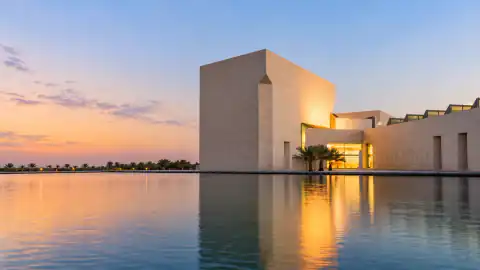 Cafés & bakeriesDarseen Café at Bahrain National MuseumExplore experience →
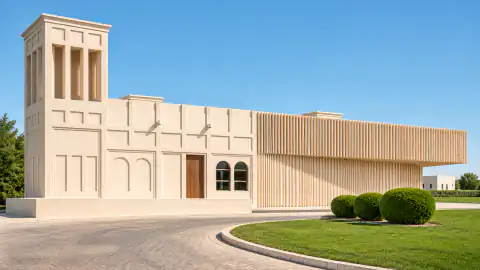 Concerts & entertainmentCultural HallExplore experience →
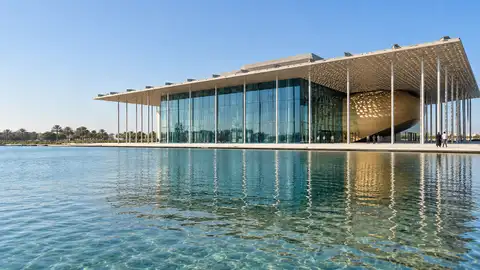 Concerts & entertainmentBahrain National TheatreExplore experience →Cultural districtsBahrain National MuseumExplore experience →
Good to know
Beit Al Quran manuscript museum: frequently asked questions
Can I visit Beit Al Quran’s manuscript galleries in the afternoon?
Contact Beit Al Quran in Bahrain for the current manuscript-gallery admission window before travelling. Afternoon gallery access is not confirmed, and Friday is closed.
Do I need to read Arabic to visit Beit Al Quran in Bahrain?
At Beit Al Quran, page layout, script, ornament, material and format offer visual ways into the collection without reading Arabic. Labels and any available guiding provide the history of individual works.
Which Quran manuscripts can visitors see at Beit Al Quran?
Ask Beit Al Quran which galleries and works are available on your date. Historical collection descriptions do not guarantee that a particular miniature, early fragment or printed edition is currently on view.
Can visitors see Beit Al Quran’s calligraphic stained-glass dome?
The dome belongs to the mosque within the complex. Ask whether that space is included in your visit; prayer, teaching and museum access have different arrangements.
How long does a visit to Beit Al Quran take?
Allow around 60–90 minutes for Beit Al Quran’s manuscript galleries once admission is arranged. Other spaces or activities need the institution’s agreement.
Is admission to Beit Al Quran in Bahrain free?
Beit Al Quran’s current museum admission charge needs to be obtained from the institution. This guide does not establish free entry or donation-only admission.
Is photography allowed in Beit Al Quran’s manuscript galleries?
Obtain the museum’s photography instructions before using a camera, including any restrictions on exhibits, flash and worship spaces.
Does Beit Al Quran have step-free access to its galleries?
Ask Beit Al Quran for the appropriate entrance and the gallery levels reachable for your requirements. Historic descriptions of the building do not confirm current lift operation or a complete step-free route.