In depth
Bahraini breakfast & Manama Souq
Start with breakfast at Haji’s Café, then explore the market lanes behind Bab Al Bahrain.
Story · Visit · Route · Links
Visitor Essentials & Quick Answers
Where should I start a Bahraini breakfast and Manama Souq outing?
Start at Haji’s Café near Government Avenue for breakfast, then continue through Manama Souq. Bab Al Bahrain provides orientation at the market entrance.
What breakfast dishes should I try at Haji’s Café in Manama?
At Haji’s Café, furnace bread, an egg dish and balaleet offer contrasting Bahraini breakfast preparations when available. The daily selection varies.
What is balaleet in a Bahraini breakfast?
Balaleet is sweet spiced vermicelli paired with egg, often as an omelette. Recipes and availability vary between Bahraini kitchens.
How long do breakfast at Haji’s Café and a Manama Souq walk take?
Allow around two to three hours for breakfast at Haji’s Café and selected Manama Souq lanes. Tailoring or jewellery shopping can extend the visit.
Do all Manama Souq shops open at the same time as Haji’s Café?
Manama Souq shops choose their own trading hours. Haji’s Café opens earlier than many shops, so an early breakfast can precede their trading day.
How do I arrange a group breakfast at Haji’s Café in Manama Souq?
Call Haji’s Café about group seating and the day’s food. An enquiry does not itself reserve a table or a guided food tour.
Choose your depth
Essentials or more detail?
See visiting essentials, or read more about the history and places nearby.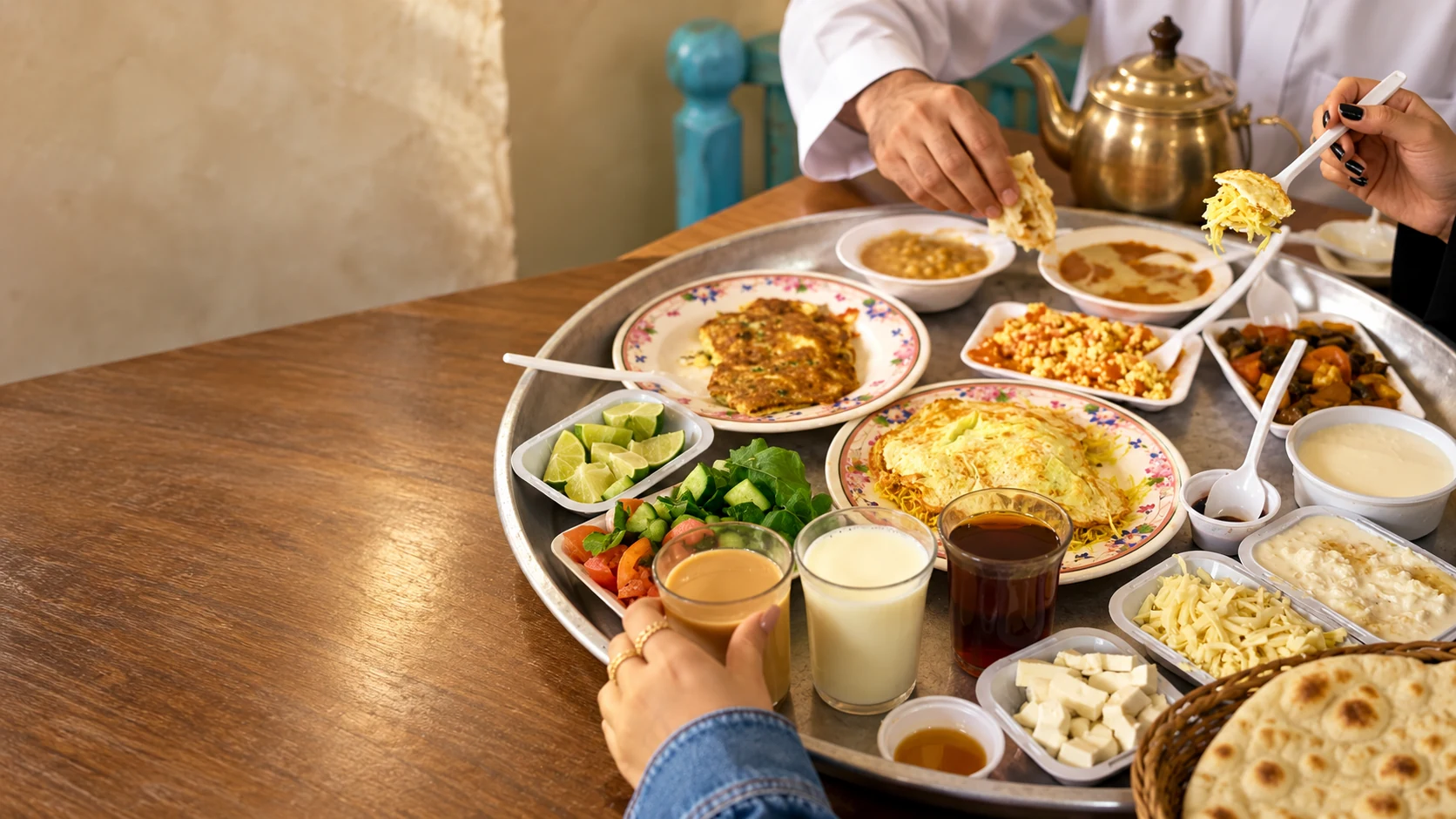
01 The experience
What to expect.
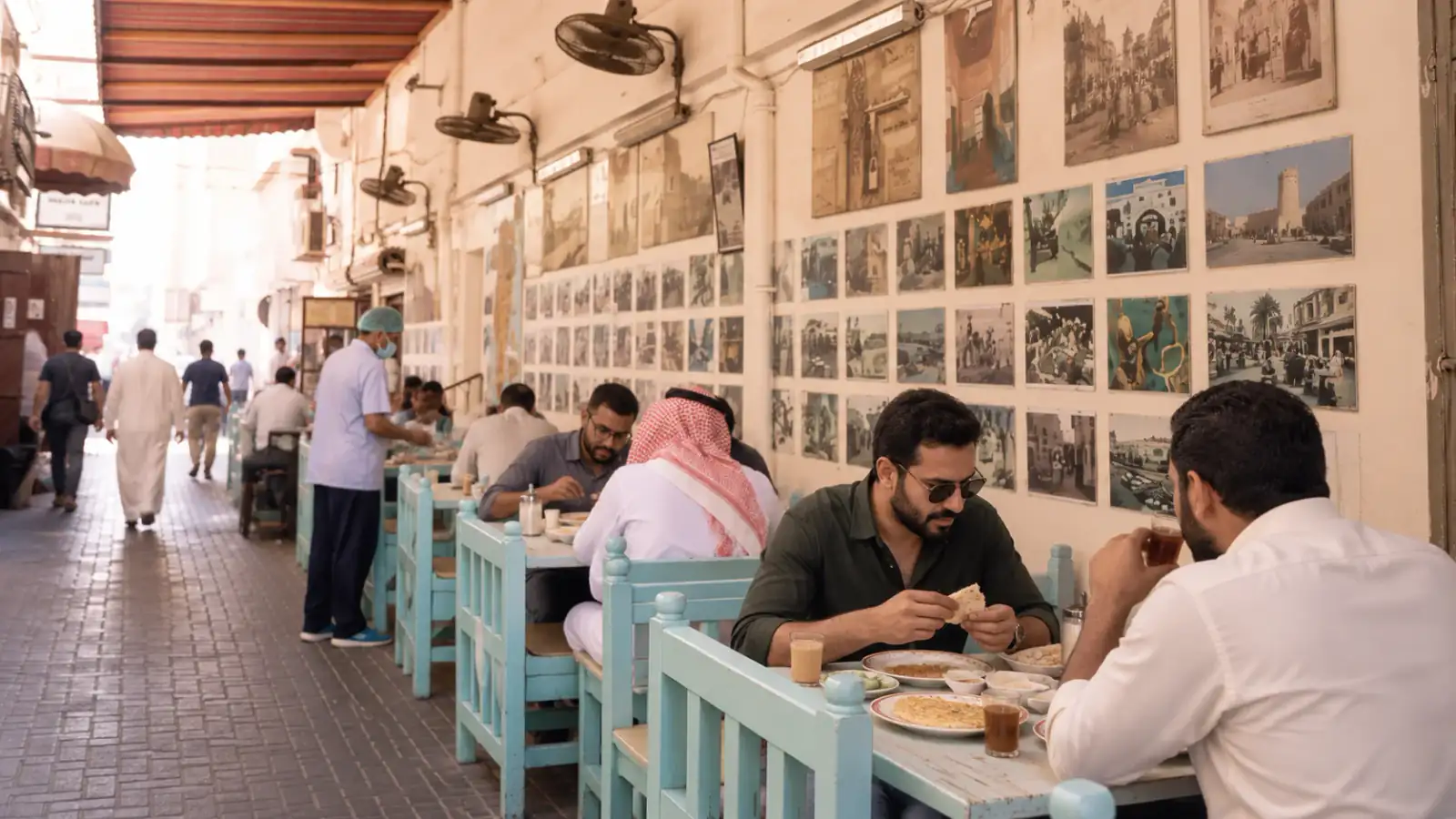
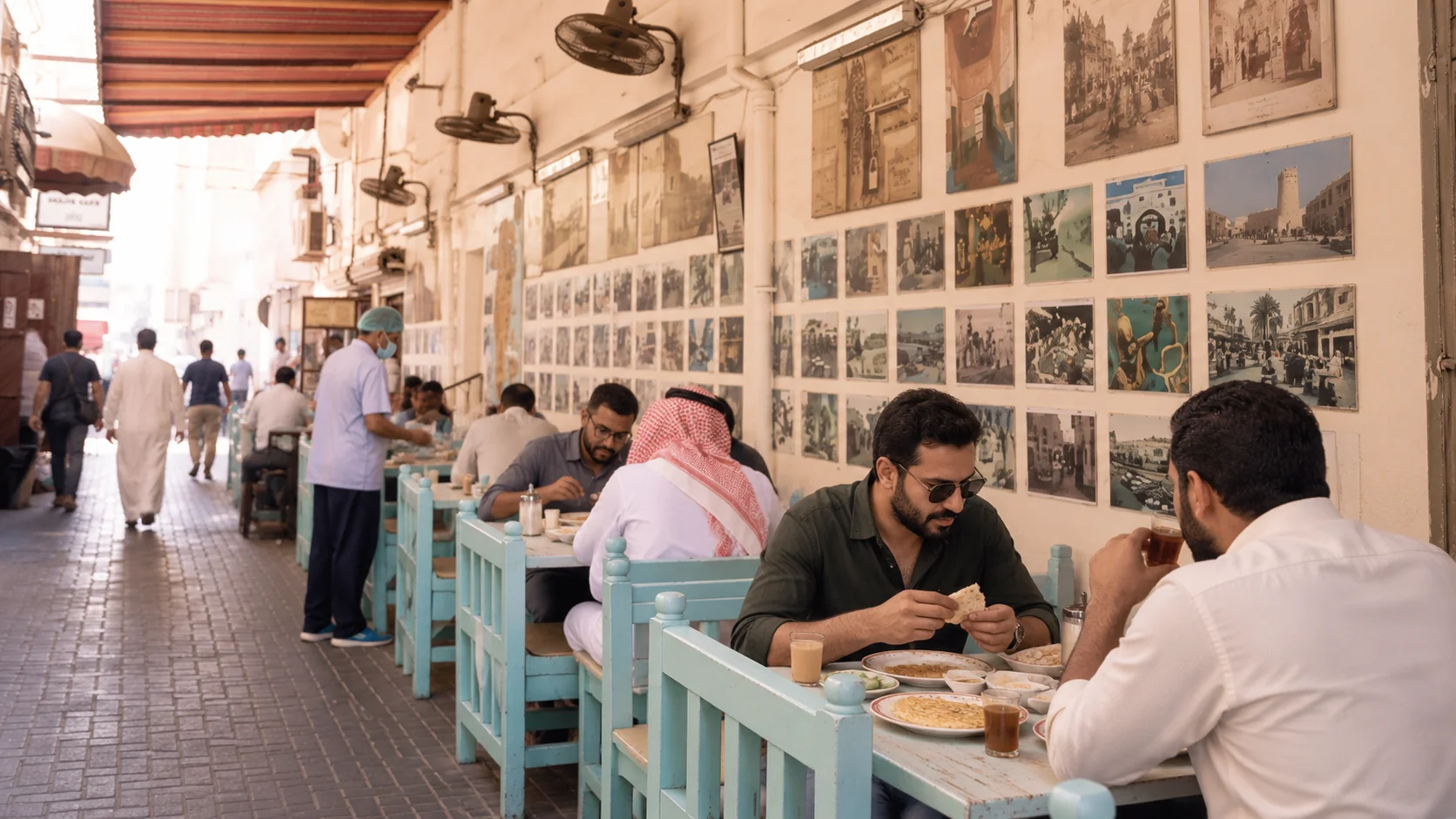
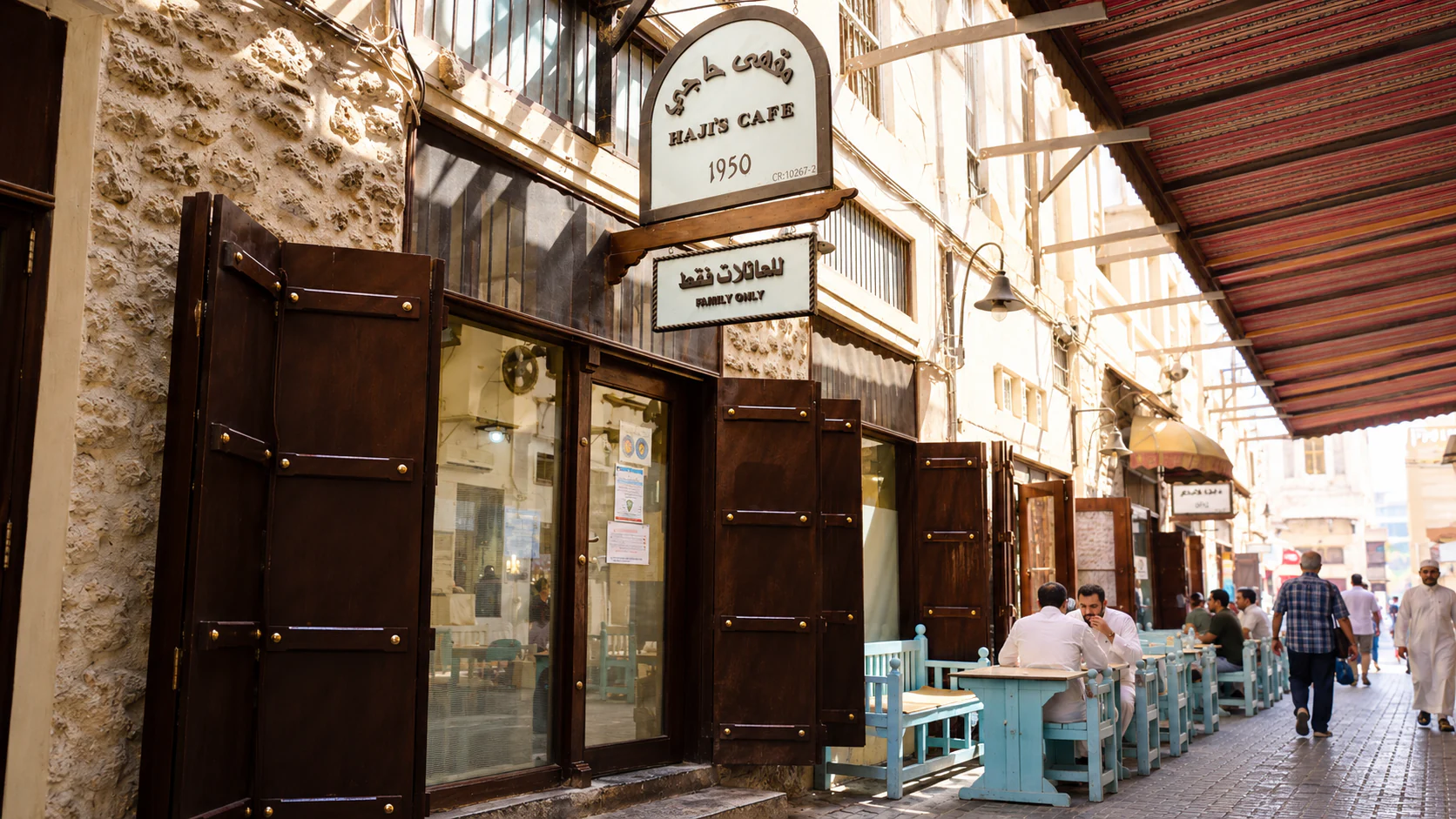
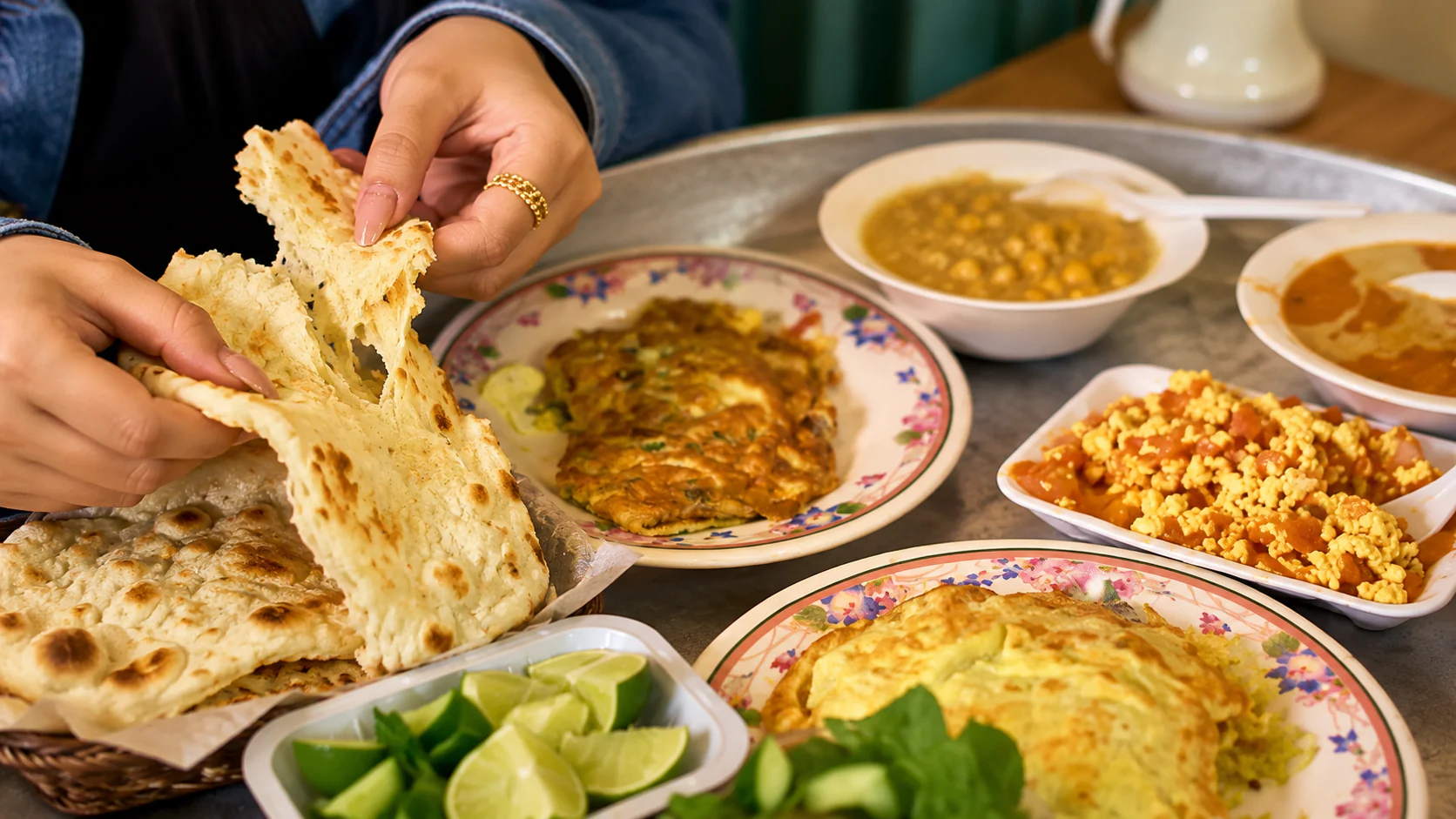
At Haji’s Café, bread gives the breakfast its centre. Broad rounds of khaboos arrive from the brick furnace, ready to tear beside eggs, beans or the dishes the kitchen is making that morning. The tables occupy a covered lane between buildings. You are eating within the old commercial district, with the kitchen in view and the souq waiting beyond the café.
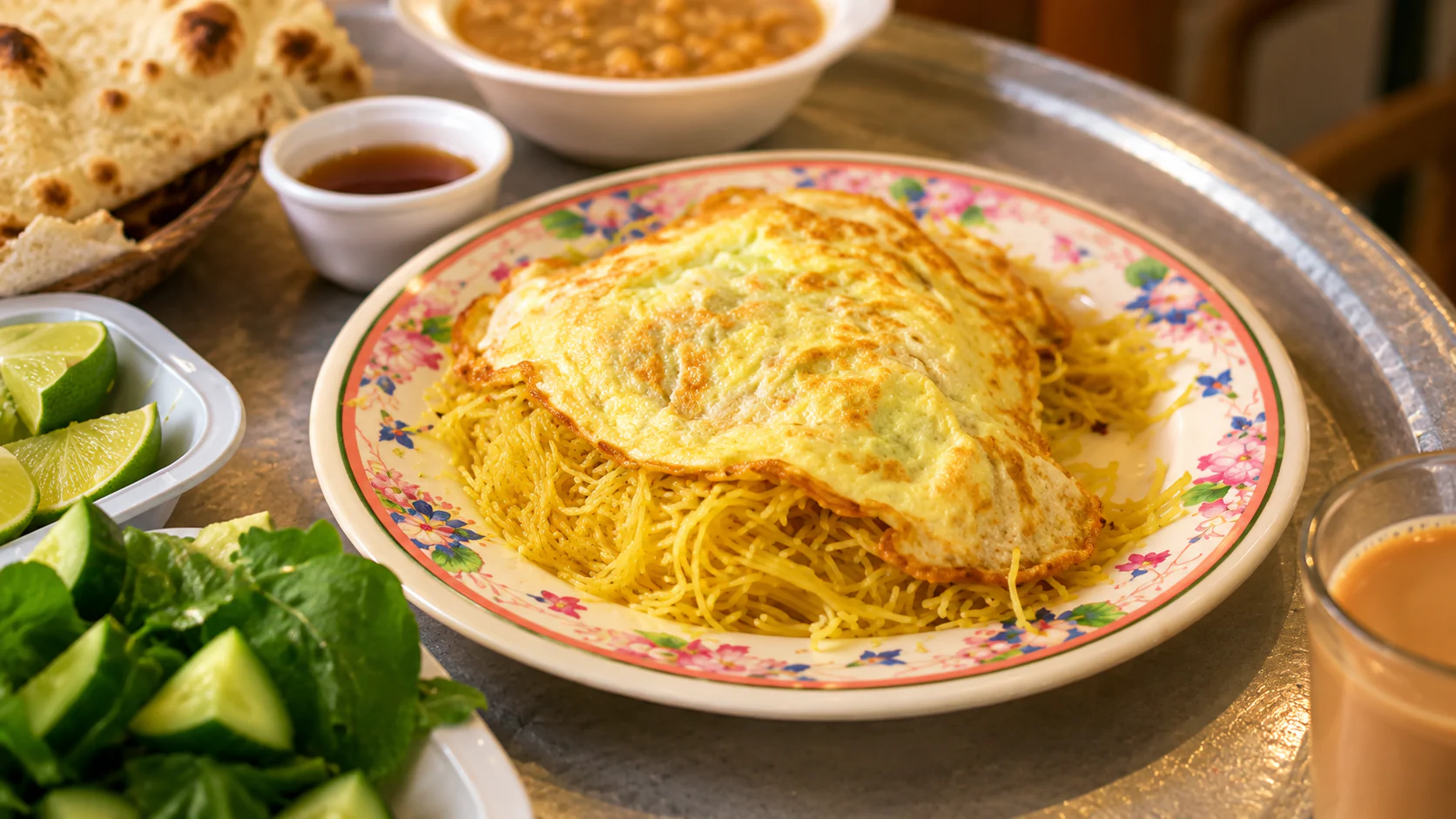
Balaleet introduces a different side of the meal: sweet vermicelli with an omelette, bringing sweetness and savoury egg onto the same plate. Alongside bread and tomato eggs, it offers an approachable beginning to Bahraini breakfast without turning the order into a fixed tasting menu. Haji’s daily selection changes, and the meal follows the kitchen rather than a list promised in advance.
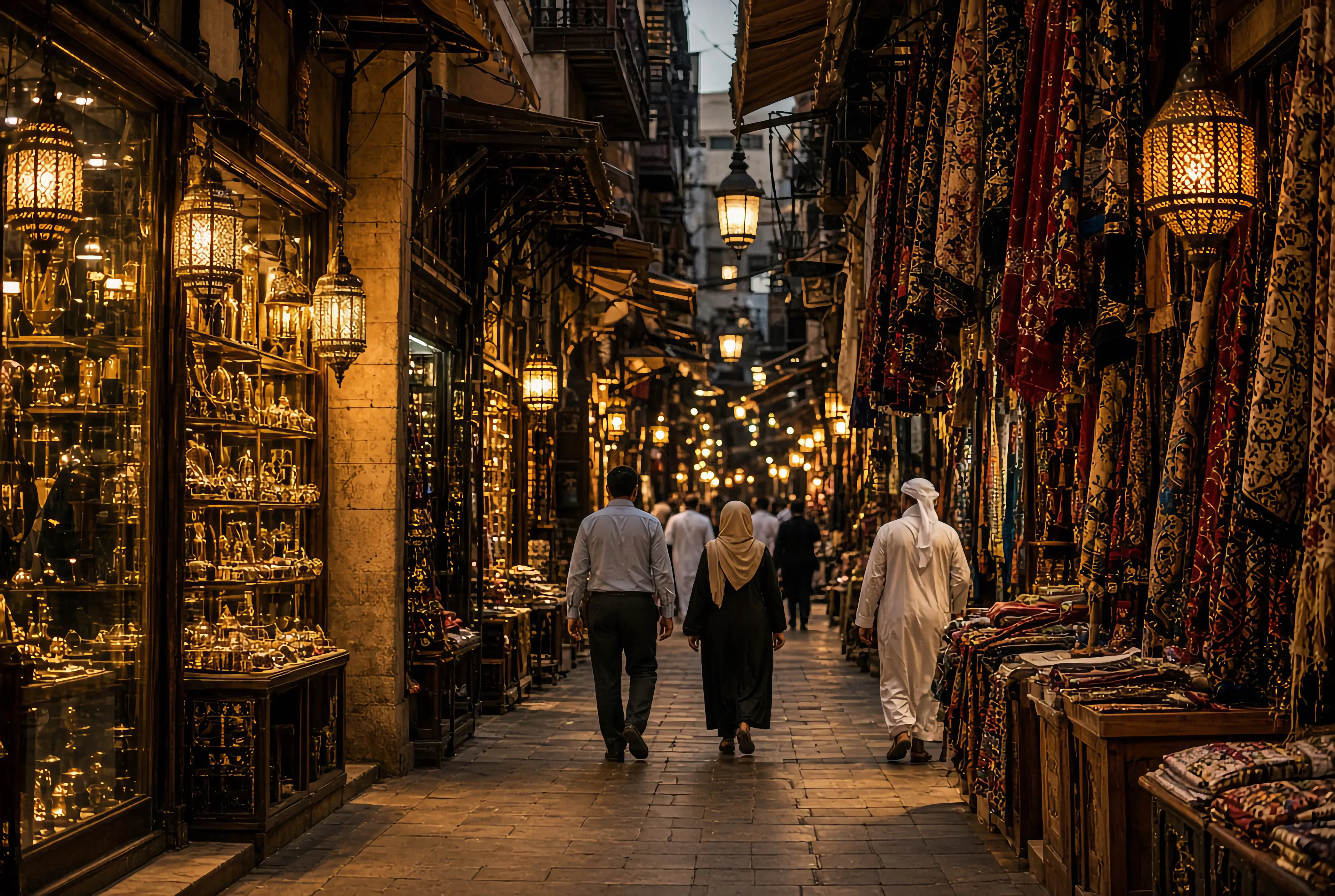
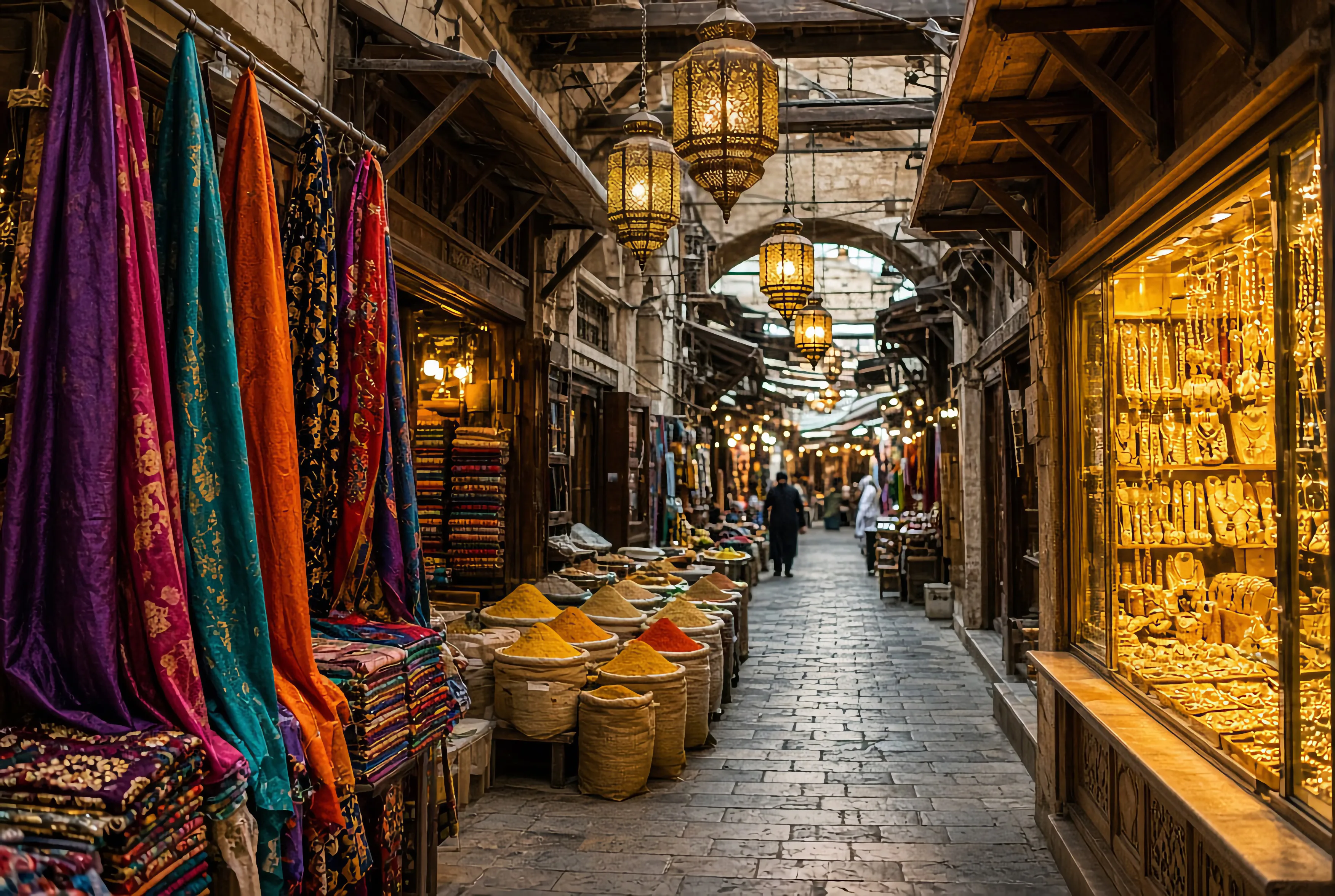
The market walk that follows can be as short as a few lanes or become the main part of the morning. Bab Al Bahrain provides the recognisable white gateway; behind it, small shops handle textiles, spices, perfumes, jewellery, household goods and food. This is a district of working businesses, so its character comes as much from everyday purchases as from objects visitors might take home.
A breakfast with its own setting
Haji’s has served the area since the 1950s. Awnings span the space between parallel walls, with tables and benches arranged along the lane. The setting makes the café feel closely tied to the street: the furnace, service and passing neighbourhood remain part of what you can see from your seat.
Bread is useful throughout the meal, not simply an accompaniment placed at the side. It can gather eggs or a bean preparation, and it makes several small dishes work together. Balaleet adds a soft noodle texture and a sweet contrast. The most useful order is built from what is available and what you want to try, with ingredients explained by the team when necessary.
This guide keeps Haji’s and the souq together as one established outing. The map marks the café as the breakfast starting point. It does not mark the gateway, a taxi bay or the centre of the whole market district.
The gateway and a changed waterfront
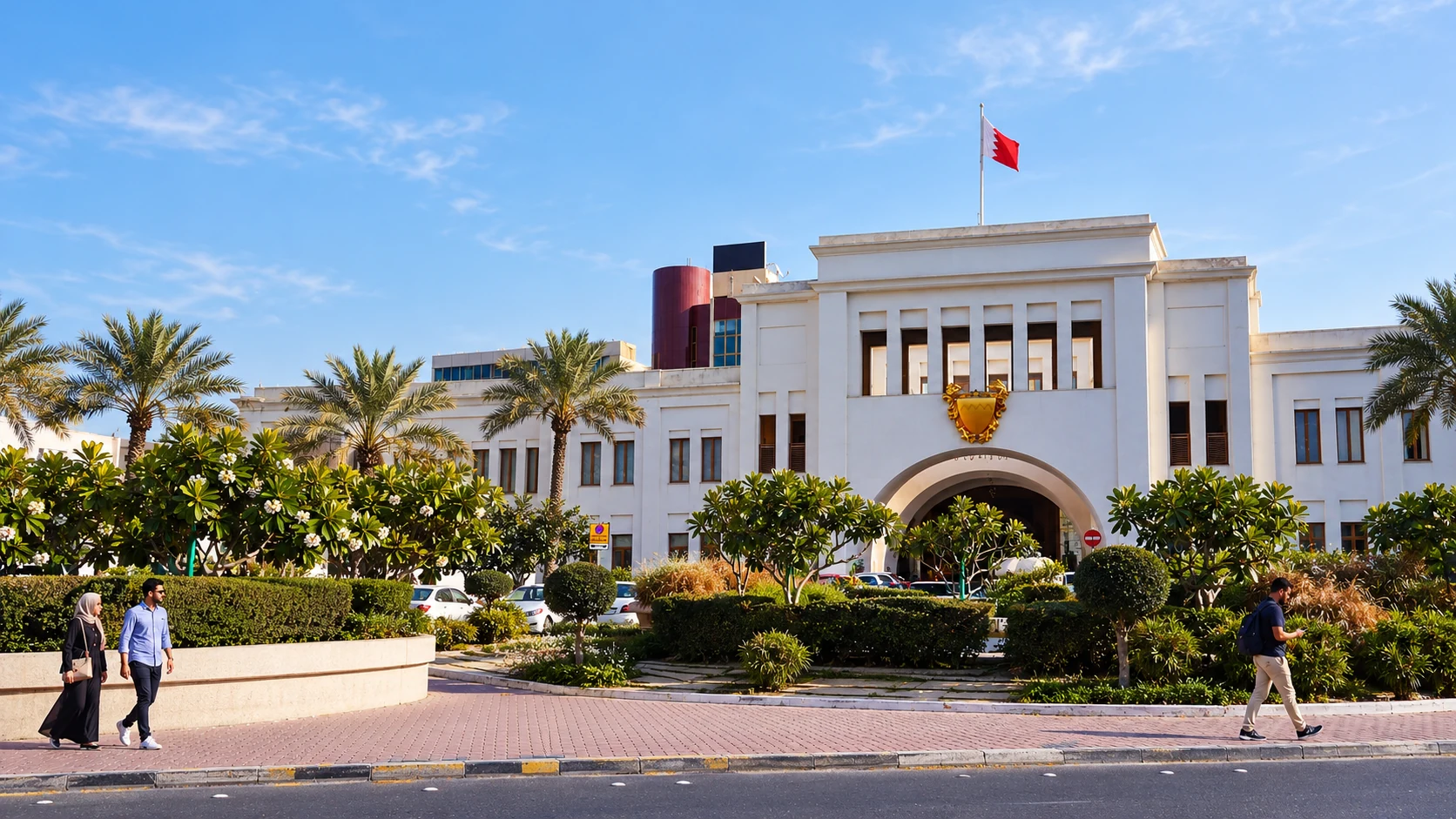
Bab Al Bahrain was built in 1949 beside Manama’s former seafront. Its public role and prominent position belong to the development of the modern capital, while the surrounding commercial streets tell a longer history of trade. Reclamation has changed the relationship between the gateway and the sea.
That history is worth carrying into the lanes. Goods, merchants and families arrived through maritime connections, then made the city their workplace and home. The market’s variety reflects those connections as well as changing local demand. A café breakfast, a fabric shop and a jeweller are different parts of the same commercial city.
Browse by an interest
Food gives the first direction: breakfast at Haji’s and, if you want a later snack, the separately listed Aloo Basheer counter. Textiles reward comparison of material, pattern and tailoring possibilities. Spice and perfume shops invite more attention to the actual product and its use than a quick purchase of something generically labelled a souvenir.
For visitors interested in architecture, the gateway, historic public buildings and the scale of the lanes offer another route. The souq does not have to be approached as a shopping challenge with a long list of purchases. Its street pattern and mixture of businesses are substantial subjects in their own right.
Two kinds of timing
An early café breakfast and an active shopping visit are not quite the same timetable. Haji’s opens early, while individual shops decide their own trading day. A very early meal may be followed by streets that are only beginning to open; later in the morning, more shopping choices may be available.
Allow around two to three hours for breakfast and a selective walk, extending it if you want to buy fabrics or jewellery. A shorter visit can keep to Haji’s, Bab Al Bahrain and a small group of lanes. A pickup outside the narrow streets gives the outing a clear finish without requiring a vehicle to reach the café tables.
The story
History & character.
A market linked to the sea
Manama’s development is closely connected to its role as a port. The city joined a network of Gulf and Indian Ocean exchange, with merchants and workers making streets, neighbourhoods and institutions around that activity. The souq was part of that urban system rather than an isolated enclosure built only for shopping.
Goods arriving by sea needed storage, selling places and people who understood their customers. Domestic life developed nearby. A merchant could be involved in trade, property and the support of community institutions, so commercial influence reached beyond a single shop front.
The relationship is still useful to a visitor even though the waterfront has moved. The gateway’s position recalls the old approach from the sea; the lanes behind it show how trade spread into the city. Modern roads and reclaimed land occupy space that once formed a very different edge to Manama.
Streets shaped by movement and business
The dense network of streets and alleyways developed around the needs of a growing town. Walking through it reveals changes of scale between public approaches, shop-lined lanes and smaller passages. The market is easier to understand as a sequence of connected spaces than as one building with a single entrance and closing time.
Its businesses have changed as the city has changed. Traditional commodities sit alongside modern clothing, electronics and everyday household goods. That mixture is part of a continuing commercial district, rather than evidence that only the oldest-looking product belongs here.
The narrow frontage of a shop can conceal a more substantial interior. Elsewhere, a counter occupies little more than a doorway. These different scales explain why the experience alternates between browsing from the lane and entering a particular business.
Communities within the trading city
Manama drew people from across the Gulf and beyond. Indian, Persian, Arab and other communities contributed to its commercial and social life. Their presence is visible in places of worship, family names, food and the goods handled in the market.
The city’s diversity is more than a decorative theme. Merchants helped support institutions, while neighbourhood networks linked work with religious and domestic life. The area around the Shri Krishna Temple and the cultural project known as Little India provide one particularly clear expression of these connections.
These are living institutions and neighbourhoods. Their histories enrich a walk, but visitors should follow the current arrangements for entering a place of worship and leave private or ceremonial space to its users. A historic association is not a standing invitation to tour every interior.
Public buildings and a modern capital
The establishment of municipal government in 1919 marked an important phase of urban administration. Oil development in the following decades brought further change to the city and its commercial role. Public buildings made this growing administrative importance visible.
Bab Al Bahrain, opened in 1949, stands within that history. It was associated with government offices and an approach to the market beside the former sea edge. Its civic presence differs from the small trading units beyond the gateway, though both belong to the same urban centre.
The surrounding postal and customs history adds another connection. Bahrain’s first post office opened in Manama in 1884 under India Post’s management. The movement of correspondence and the movement of goods were different services within a city increasingly tied to distant places.
Restoration rather than a frozen streetscape
Bab Al Bahrain has undergone later alterations and restoration. The Culture Authority’s work returned parts of the façade towards its earlier appearance and adapted spaces for public and visitor uses. The visible building is therefore a historic structure with a conservation history of its own.
The wider souq has also received rehabilitation and new commercial spaces. An updated canopy, paving or shop interior does not necessarily mean the whole street has lost its history. The question is how older fabric, working businesses and new public uses fit together.
Past festivals and temporary cultural projects have used the area, including Little India programmes and events around Bab Al Bahrain. Their historical role helps explain the district’s cultural life. The ordinary visit remains a walk through active streets; an old festival programme should not be expected to repeat on an undated evening.
Haji’s and everyday food
Haji’s Café belongs to the post-war commercial city, having operated since the 1950s. Its longevity matters, but the café’s stronger attraction is the relationship between kitchen, bread and lane. The space allows a visitor to see how a modest breakfast business occupies the fabric of the souq.
A furnace produces the bread while the daily food moves through the kitchen and onto the tables. Changing offerings mean the meal is organised by what is being cooked, rather than by a visitor’s expectation of a permanent display of national dishes.
The café also serves later meals, including rice dishes and grills. Breakfast is a particularly coherent beginning to this outing because it leads naturally into the market’s working day. It need not be described as a once-in-a-lifetime ritual to be worth making time for.
Breakfast as a shared culinary language
Bahraini breakfast draws on a regional food world as well as local habits. Bread, eggs, beans and sweet vermicelli occur in different combinations across the Gulf. What makes this meal specific is the actual preparation, the available dishes and the place where you eat them.
Balaleet is a useful example. A familiar ingredient, vermicelli, is sweetened and perfumed with spices, then paired with egg. The contrast can be surprising to someone expecting either a wholly sweet breakfast or a wholly savoury one. It is part of a living culinary repertoire rather than a dish with only one authorised household recipe.
Bread connects the small dishes physically. A torn piece can pick up a spoonful of beans or eggs, bringing the meal together without requiring a formal sequence of courses. The table can therefore show several textures and preparations within a relatively simple order.
Reading the souq today
A good walk notices continuity and change together. Old public architecture, contemporary merchandise, a long-established café and a small snack counter are all part of present-day Manama. The city’s history is not confined to the most photogenic doorway.
The market continues because people use it. Traders arranging stock, customers buying practical goods and families maintaining institutions provide a context that a restored façade alone cannot supply. Spending time with a particular product or business makes that working character easier to understand.
Look closer
Highlights and hidden details.
Haji’s Café and its covered lane
The awnings, parallel walls and simple tables are central to Haji’s character. The kitchen remains in view, making the lane feel like part of the working café rather than an outdoor terrace attached to a hidden dining room.
Begin here for the breakfast-led version of the outing. The place saved in the itinerary and shown on the map is this café starting point, with the souq continuing beyond it.
Khaboos from the furnace
The broad flatbread is the practical centre of the meal. Torn into pieces, it can gather eggs and other dishes rather than remaining untouched as a side.
The bread also connects the plate to the visible kitchen. Watching it arrive from the furnace gives a concrete sense of preparation without requiring a staged cooking demonstration.
Balaleet and egg
Balaleet pairs sweet vermicelli with egg, often as an omelette. Bahraini preparations commonly use cardamom, saffron and rose water to perfume the noodles; the precise balance varies between kitchens.
At Haji’s, ask whether it is available that morning. The contrast between the sweet noodle base and savoury egg is a useful introduction even for someone who usually prefers a simple cooked breakfast.
Tomato eggs and a savoury plate
Eggs cooked with tomatoes offer another familiar route into the table. The mixture belongs beside bread, while the day’s bean or vegetable dishes can extend the order.
Different kitchens make different versions. Use the actual available dish as the starting point instead of assuming a name guarantees one recipe, texture or level of spice.
Beans, chickpeas and small dishes
Foul refers to a fava-bean preparation; chickpea dishes belong to another part of the breakfast and snack repertoire. Bread makes either easy to combine with the rest of a meal.
These are useful food terms to recognise across Bahrain, not a fixed list promised at Haji’s every day. Ask what the kitchen is serving and how the dish is finished.
Bab Al Bahrain
The white gateway makes a strong point of orientation at the edge of the market. Its 1949 date and former position beside the waterfront place it within the making of modern Manama.
Take time to see the whole frontage and its public setting before moving into the lanes. The broad civic scale is a contrast to the small commercial spaces beyond it.
Textiles and tailoring
Fabric displays give parts of the market a very different appearance from the food or spice shops. Colour and pattern are immediately visible, while composition, width and the quantity needed for a garment are questions for the seller.
If you want tailoring, agree the actual garment, measurements, price and collection time before committing. A short sightseeing visit is not a guarantee of same-day completion.
Spices, incense and perfumes
These shops reward attention to how a product will be used. A whole spice, a prepared blend, incense for burning and a fragrance for wearing are different kinds of purchase even when displayed close together.
Ask the trader to identify the product and explain its use. Photographing an open display does not replace knowing what is in the packet you take home.
Jewellery and the Gold Souq
Jewellery is part of the district’s commercial range. The concentration of businesses makes comparison possible, but a visitor should give a significant purchase more time than a passing glance through a display window.
Discuss the actual material, workmanship and documentation with the seller. This guide describes the area rather than endorsing a particular jeweller or claiming a guaranteed bargain.
Aloo Basheer
Aloo Basheer is a separately covered snack counter within Manama Souq. Fried potato slices, sambosa and chickpea accompaniments offer a shorter food stop than a full restaurant meal.
Use the existing venue guide for the precise location and arrangements. It is a useful continuation if the kitchen is serving during your walk, with its own ingredients and spice levels to consider.
Little India and the temple neighbourhood
The area associated with Little India adds a distinct community history to the market. The Shri Krishna Temple and surrounding businesses are connected with Manama’s long-established Indian presence.
The streets can be appreciated as part of the district walk. Entry to an active place of worship follows its current arrangements; events and ceremonies are not a permanent tourist performance.
Historic postal and public buildings
The gateway area also connects with Manama’s postal and administrative history. Looking at these buildings broadens the walk beyond shopping and shows another way the commercial capital communicated with the wider world.
Treat any interior museum or office visit as an optional addition after establishing current access. The core walk works through the public streets and exterior architecture.
Details to look for.
Sweetness within a savoury meal
Balaleet makes sense when it is tasted as a combination. Sweet noodles and egg are not two competing descriptions of the dish: their contrast is the point. The other savoury plates on the table give that sweetness a wider setting.
Try a small amount alongside bread or an egg dish rather than deciding from the word “vermicelli” that it must be a dessert. Availability and the day's preparation remain with the kitchen.
Bread as a utensil and a dish
Khaboos is part of how breakfast is eaten. Its soft surface gathers a spoonful of food, while a torn edge can collect what remains in a shallow dish. The bread changes a set of small plates into a meal that can be shared across the table.
The café’s furnace makes this process visible at its beginning. A bread photograph becomes more informative when it includes the plate or kitchen relationship, rather than treating a round loaf as an isolated still life.
Dish names do not settle ingredients
A menu word can travel between places while the preparation changes. A breakfast spread elsewhere in Bahrain may include labneh, mehyawa or different bean dishes alongside eggs and bread. That broader vocabulary is useful, but it is not a substitute for asking about what is actually being served.
For an allergy or a strict dietary requirement, the conversation needs to cover the sauce, filling and cooking fat as well as the principal ingredient. General culinary descriptions explain a dish; the person preparing it answers the specific order.
A lane can be a dining room
Haji’s seating occupies space between two walls, with shade overhead and the kitchen alongside. This arrangement explains the café’s atmosphere more clearly than a generic description of a traditional restaurant.
Notice how movement and service share the lane. Visitors taking photographs or waiting for a table need to leave room for the people carrying food and for the surrounding businesses.
The gateway no longer meets the sea
Standing outside Bab Al Bahrain, the current road setting can make its maritime history difficult to picture. Historic accounts of the gateway facing the water reveal how much the city’s edge has changed.
This is a useful connection between the souq and the skyline beyond it. They occupy different phases of a city that has repeatedly altered its coast and expanded its commercial space.
The façade above the goods
The eye naturally follows merchandise at ground level. Looking above a shop front can reveal another scale: upper rooms, openings, changes in material and the relationship of one building to the next.
Stay in the public circulation area while looking. A useful architectural observation does not require entering a private stair or asking a shopkeeper to make a domestic room available.
A working market sells ordinary things
Modern clothes or household products are part of the souq’s continuing role. The district serves people who live and work in Manama as well as visitors looking for spices or a gift.
That makes a walk more varied than a curated display of traditional crafts. The business behind a plain shop front may be as important to the neighbourhood’s life as a more picturesque stall.
04 / Before you go
Plan your visit
Breakfast, a souq walk and time to explore old Manama.
Cost
Pay as you go
Pay the café for your meal. Budget separately for shopping and transport.
Ask the price before ordering or buying.
Opening hours
- Haji’s Café · daily
- 05:30–21:00
- Souq shops
- Individual business hours
An early breakfast can precede the opening of surrounding shops.
Getting there
Haji’s Café
Government Avenue · Manama
Take a taxi or hotel car to Government Avenue, then continue on foot.
Breakfast and group seating
For a larger breakfast group, ask about seating before arriving.
Choose a café meeting time and a pickup point outside the narrow market lanes.
Begin with the meal or the gateway
The saved starting point is Haji’s Café. A breakfast-first visit suits someone who wants the food to anchor the morning, with Bab Al Bahrain and the lanes afterwards. If architecture is your priority, begin outside at the gateway and continue to the café when you are ready to eat.
Use a current map for the actual approach. Government Avenue provides the wider arrival area, while the final approach to the café is on foot. A driver should not need to find a route directly to the tables in the covered lane.
A short first outing
Breakfast, the gateway and a small selection of market lanes can make a coherent two-hour visit. Leave longer for jewellery comparison, fabrics or a sit-down pause after shopping. The route does not need to reach every part of the district to make sense.
For a very early start, expect the café and surrounding shops to be at different points in their day. If a particular shop matters, use its own hours when choosing when to continue the walk. There is no single opening schedule for the entire souq.
Ordering breakfast
Ask what the kitchen is making, then choose a few dishes that give you different preparations. Bread, an egg dish and balaleet create a useful contrast when available. A bean dish can add a different texture; the team can explain the day's selection and ingredients.
Tell the staff about allergies or dietary requirements before ordering. A familiar-looking sauce or vegetarian-sounding dish name does not explain its full ingredients, cooking fat or shared preparation. The café’s changing daily selection makes a specific conversation more useful than relying on a general label.
Shopping with a purpose
A fabric purchase may involve colour, length, composition and possible tailoring. A spice purchase may depend on whether you want a whole ingredient or a blend. Ask about those details before agreeing an order; the same general product name can cover different qualities and quantities.
For a valuable jewellery purchase, request a clear description and receipt covering the item you are buying. A casual district walk does not require a purchase, and the guide does not recommend a particular unreviewed gold seller.
Finding the end of the outing
Agree a named pickup point on a road accessible to your vehicle. Finish purchases before heading there so the driver does not need to improvise a collection inside a narrow lane. If you have a later circuit departure, allow for the return to your hotel as a separate leg of the day.
A lunch or evening return can show another side of the same streets, but the breakfast-first route is designed around a morning meal. Use the current café and shop arrangements rather than assuming a photographic evening scene guarantees every business is trading.
Visit your way
Access and family planning.
The route matters more than a district label
Manama Souq contains different surfaces, widths and entrances. A short street-level walk may be possible where one shop or café arrangement is difficult. There is no single step-free access statement that covers every business in the district.
Haji’s occupies a narrow lane with simple tables and benches. Before a visit with mobility equipment or a particular seating need, ask the café about the approach, available space and a suitable table. Do not infer a fully accessible layout from a wide exterior photograph.
Arrival and pickup
Use a vehicle-accessible road outside the narrowest lanes. The map pin marks the breakfast starting point, not a drop-off bay. If you need a short final approach, agree that route with your driver and the business before travelling.
The same consideration applies to pickup. Returning to the agreed road point is more dependable than expecting a driver to reach the place where you happen to finish shopping.
Surfaces and thresholds
Expect changes of paving, kerbs, shop thresholds and possible congestion around displays. A useful accessible route may involve fewer businesses with more room between stops. Do not assume an entrance that looks level from the lane has a level interior or accessible toilet.
Visitors with limited stamina may prefer breakfast and the gateway followed by a short loop. Shade varies, and seats in a business are part of its service rather than public seating available throughout the district.
Sensory conditions and communication
The market combines voices, vehicles, kitchen activity, scents and changing light. A quieter time at one shop may differ from a quieter time at the café. Ask the particular business about a less crowded period if that will make the visit easier.
For food requirements, explain the ingredients that matter to you directly and clearly. Translation assistance can help with a specific question, but a translated dish name alone does not establish the full preparation or a guarantee against cross-contact.
Start with a small food choice
Bread and an egg dish give younger children a recognisable beginning. A little balaleet can introduce the sweet-and-savoury combination without making the whole breakfast depend on an unfamiliar plate.
Ask about ingredients, heat and portion size when ordering. The daily kitchen selection is more useful than promising a child a photograph of a particular dish in advance.
Keep the walk compact
After breakfast, Bab Al Bahrain and a few open market lanes can provide enough variety. A textile display, an identified spice and the scale of the gateway each offer something different to notice.
Give the walk a clear return point. The market is a network of businesses and streets rather than an enclosed attraction, and some routes meet traffic or service vehicles. Keep young children close at crossings and around busy entrances.
Look without handling everything
A trader may be happy to explain a product, but displays remain stock for sale. Ask before children touch fabrics, containers or fragile items. An adult should handle food purchases when ingredients or temperature need checking.
For older children, compare a whole spice with a blend, or a length of fabric with a finished garment. These observations connect a familiar everyday item to the decisions involved in making or selling it.
Shade, strollers and a pause
Some lanes are shaded and others more exposed. Awnings do not create continuous indoor conditions across the district. Allow water and a shorter route when it is hot.
Strollers may encounter narrow passages, thresholds and crowded shop fronts. The café’s lane seating can also make manoeuvring awkward at busy times. Ask where a stroller can be placed without blocking service or another entrance.
Self-guided walk
Explore beyond the venue.
A practical, step-by-step route connecting this experience with more of Sakhir.Breakfast first: Haji’s Café
Allow roughly 45–60 minutes for seating, an explanation of the available dishes and the meal. Begin with bread and the preparations you want to try; include balaleet when available for the sweet-and-savoury contrast.
The time is an editorial allowance rather than a reservation or a promised service speed. At a busy period, the café may need longer to seat or serve your group.
Walk towards Bab Al Bahrain
After breakfast, use a current street map to reach the gateway area. Allow around 15–20 minutes for the exterior and public setting, including time to understand its former waterfront role.
The map pin in the guide remains at the café. This sequence is thematic guidance through the district, not a newly surveyed turn-by-turn walking track.
Choose a group of market lanes
Continue into the public trading streets behind the gateway. For about 30–45 minutes, follow one interest: textiles, spices and perfumes, or jewellery. Give a specific shop time rather than hurrying through every product category.
Businesses determine their own opening hours. If a shop you want is closed, use another open lane rather than treating access to a private doorway as part of the route.
Add a snack or community-history stretch
A longer walk can include Aloo Basheer when it is serving, or the streets associated with Little India. Allow extra time for the actual order or any permitted interior visit.
The core souq outing does not depend on a temple entry, festival performance or an interior museum being open. These are optional additions with their own arrangements.
Finish outside the narrow lanes
Return to your agreed vehicle-accessible meeting point. Allow time to complete purchases and pack them before pickup. For an F1 day, the hotel return and circuit transfer remain additional journeys beyond this walking visit.
The whole sequence suits roughly two to three hours with flexibility. A focused breakfast-and-gateway visit can be shorter, while fabric or jewellery buying can take substantially longer.
Make a record
Photograph it thoughtfully.
Breakfast as a complete scene
Include the bread, dishes and adjoining lane in a breakfast photograph. Ask before photographing the furnace or kitchen, and leave room for staff to work.
Keep camera equipment off neighbouring tables and leave room for staff to serve food. Ask before including other diners in an identifiable photograph.
Gateway and approach
A wider exterior view can connect Bab Al Bahrain to the public space and streets around it. The building’s scale is easier to understand when part of the approach remains in the frame.
Avoid standing in a traffic route to obtain a symmetrical view. Use a safe public position and leave crossings and entrances clear.
Shop displays
Ask the trader before making close photographs of merchandise or the working interior. Jewellery businesses may have particular security concerns, and a refusal should be respected without argument.
Textiles and spices can be recorded as products with a setting: the shelf, container, folded edge or shop frontage provides context. Do not move stock, open a container or rearrange a display for a better composition.
Architecture and private life
The lanes contain upper rooms and domestic space as well as shops. Keep the camera away from private interiors and ask before identifiable portraits of residents, workers or visitors.
Places of worship set their own photography arrangements, especially during ceremonies. A street walk does not provide permission to enter and photograph an active religious space.
Morning and evening
Morning photographs suit the breakfast-led visit and the changing activity as businesses open. An evening return can show another lighting condition in the lanes, subject to the actual shops operating.
A picture of a lit stall is not a district-wide opening timetable. Plan the food and shopping you want separately from the time you would like to photograph the exterior.
See it
In pictures.
8 views, full screen. Tap any one to open the viewer.Around here
Make more of the area.
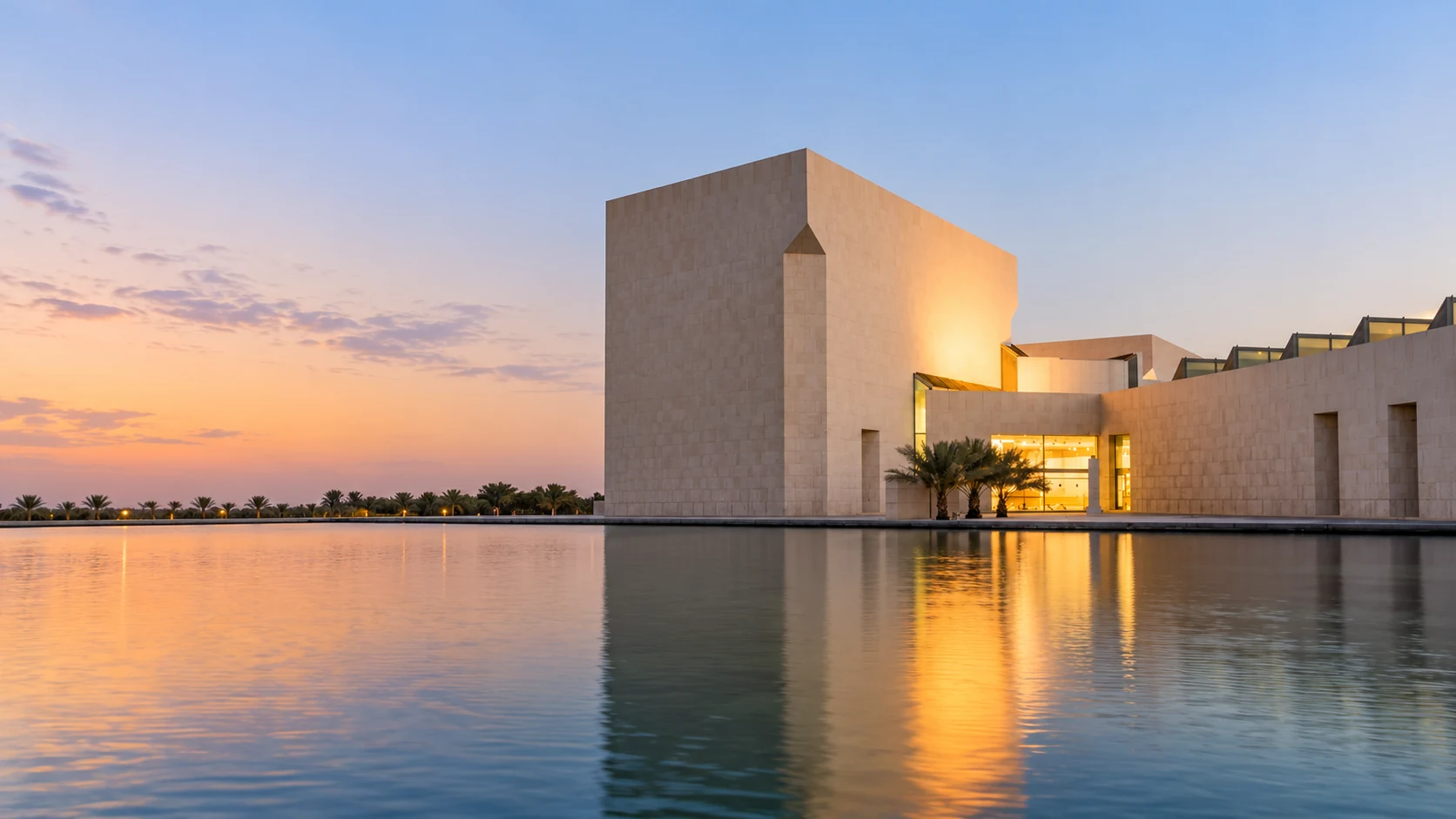
The National Museum places market life within a much longer island history. The Trades and Crafts and Customs and Traditions displays offer a useful comparison with a working commercial district.
This is a separate road outing, not the next lane of the souq. Its Tuesday closure and gallery hours belong to its own visit plan.
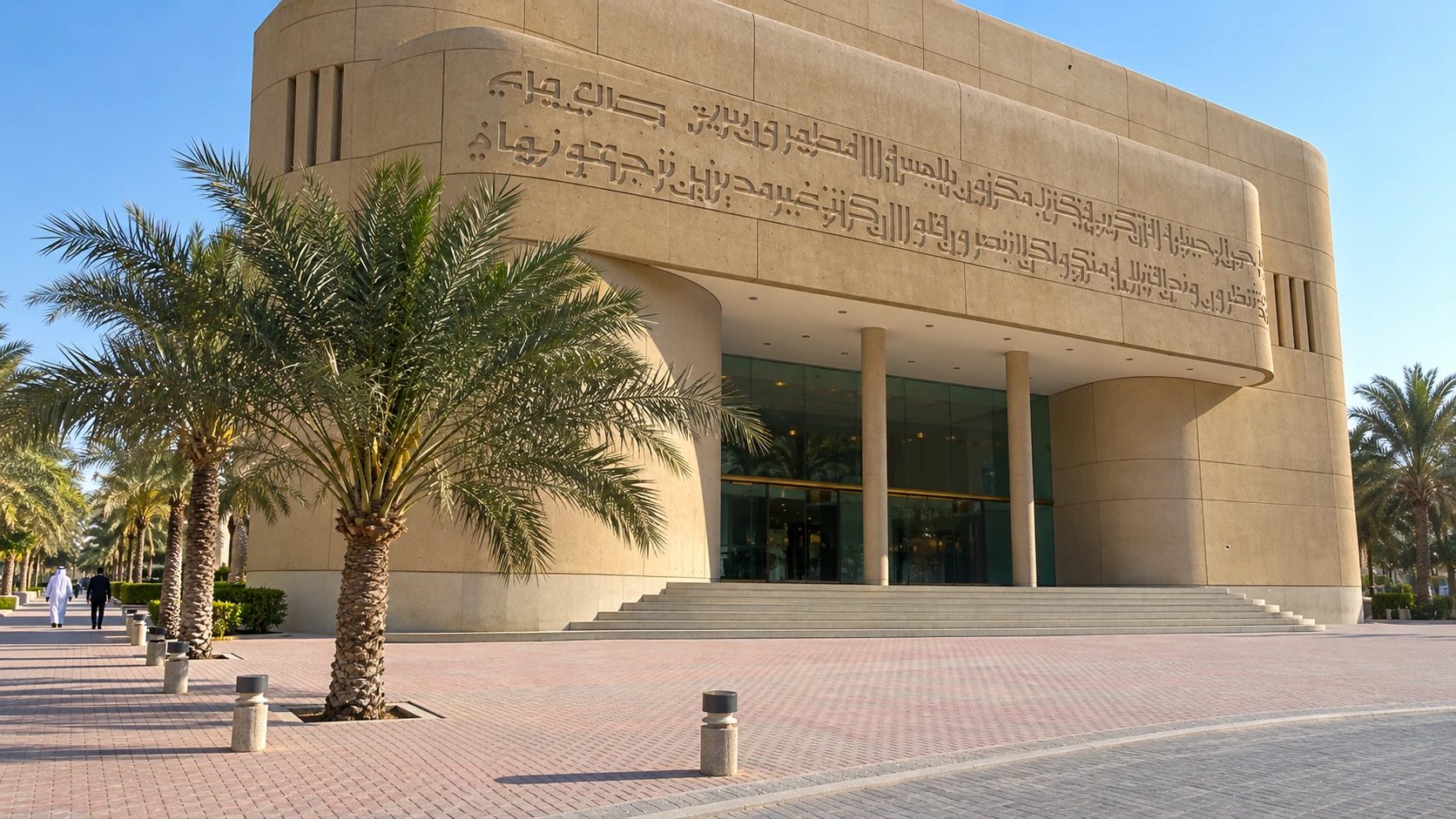
Beit Al Quran offers a quieter collection-led cultural visit in Manama. Its manuscript and Islamic-art focus contrasts with the trading streets, while skilled handwork provides a connection between the two interests.
Good to know
Questions, answered.
Can I combine breakfast at Haji’s Café with a walk through Manama Souq?
Yes. Breakfast at Haji’s Café near Government Avenue can be followed by a walk through Manama Souq. Allow around two to three hours for the meal and selected market lanes.
What dishes can I eat for a traditional Bahraini breakfast at Haji’s Café?
Haji’s Café serves a changing breakfast selection of furnace bread, eggs, beans and other small savoury dishes. Balaleet pairs sweet spiced vermicelli with egg. Order the dishes available that morning rather than expecting a fixed breakfast package.
What is balaleet, the sweet vermicelli and egg dish served for Bahraini breakfast?
Balaleet is sweet vermicelli commonly perfumed with cardamom, saffron and rose water, paired with egg. The sweet noodle and savoury egg combination is central to its appeal, though individual recipes vary.
What should I order at Haji’s Café in Manama Souq?
At Haji’s Café, ask about the daily breakfast dishes. Bread, an egg preparation and balaleet make a useful first selection when available, with beans or another small dish according to appetite and ingredients. The kitchen does not promise one fixed daily menu.
Where does the Haji’s Café and Manama Souq walking route start?
Start the Haji’s Café and Manama Souq walk at the café near Government Avenue. Bab Al Bahrain is the gateway landmark for orientation before exploring the market lanes.
What is the best time to visit Manama Souq for breakfast and shopping?
Morning suits breakfast at Haji’s Café followed by a Manama Souq walk. Haji’s opens earlier than many shops, so a very early meal may precede their trading day. Individual businesses keep their own hours.
How long do I need for breakfast at Haji’s Café and a Manama Souq walk?
Allow around two to three hours for breakfast at Haji’s Café and selected Manama Souq lanes. The gateway and a short walk can fit a briefer outing, while tailoring or jewellery comparison needs more time.
Is Manama Souq free to enter, and what costs should I budget for breakfast?
Manama Souq’s streets are free to enter; breakfast and shopping are paid for separately. Pay the café for the meal and shops for purchases, with transport budgeted separately. Any private guide is arranged independently rather than included in a souq entry ticket.
Can I reserve a table at Haji’s Café in Manama Souq?
Contact Haji’s Café directly about seating for a larger breakfast group. A visitor-information enquiry does not reserve a table or include a guided food tour.
Are vegetarian or vegan breakfast dishes available at Haji’s Café in Bahrain?
At Haji’s Café, vegetarian and vegan diners need to ask about the dishes available, including sauces, fillings and cooking fat. Balaleet normally includes egg, and other breakfast items may include dairy or additional ingredients. A general cuisine description is not a guarantee for a particular order.
What souvenirs and local products can I buy in Manama Souq?
Manama Souq includes textiles, traditional and modern clothing, spices, incense, perfumes, jewellery, household goods and food. Shops vary in range and quality; take time with a purchase that needs measurements, ingredients or documentation.
Can visitors bargain in Manama Souq, and are any prices fixed?
Bargaining is not compulsory in Manama Souq. Ask the seller for the price and clarify what it covers. Some purchases may allow discussion, while other prices are fixed. There is no universal percentage reduction promised across the souq.
Is Manama Souq a UNESCO World Heritage site?
The broader historic Manama proposal appears on Bahrain’s UNESCO Tentative List. It is different from the inscribed Pearling Path in Muharraq, Bahrain Fort and Dilmun Burial Mounds.
Can visitors enter Shri Krishna Temple or the postal museum near Manama Souq?
Shri Krishna Temple and the postal museum are optional stops near Manama Souq, subject to their current visitor arrangements. The street walk does not promise an interior tour or permission to enter during a ceremony.
Is breakfast at Haji’s Café and a Manama Souq walk suitable for children?
For children, a short Haji’s breakfast and Bab Al Bahrain route with a few open shops can work well. Supervise children around traffic, narrow entrances and merchandise, and ask about food ingredients before ordering.
Can I visit Haji’s Café and Manama Souq with a wheelchair or stroller?
Manama Souq has varying paving, kerbs, narrow lanes and individual shop thresholds. Wheelchair users and people with strollers should ask Haji’s Café about its approach and seating, then choose suitable market lanes; there is no established district-wide step-free circuit.
Is photography allowed in Manama Souq shops and places of worship?
In Manama Souq, ask before photographing shop interiors, close details and identifiable people. Jewellery shops and places of worship may have particular restrictions. Leave entrances and service routes clear.
Can I visit Manama Souq before going to the Bahrain Grand Prix?
A free morning can accommodate Manama Souq before the Bahrain Grand Prix, allowing time to return to your hotel and transfer to the circuit. The souq walk is flexible, but a slow meal or substantial shopping can extend it.
Editorial notes
Sources and further reading.
Sources for this guide
Research reviewed 28 October 2026. The register distinguishes direct reads, official indexed evidence and unchanged accepted source contracts. Suggested routes and durations are Above.Guide editorial selections, not surveyed paths, reservations or operator tour schedules.
Source register
S01. Bahrain Tourism: Manama Souq
Reviewed 28 October 2026: Official indexed article read; initial direct request timed out. Market range, relationship to Bab Al Bahrain, early nineteenth-century commercial development, gold, sweets and textiles. The directory’s broad hours are not assigned to every independent shop.
S02. Bahrain Tourism: Haji’s Café
Reviewed 28 October 2026: Official indexed English and Arabic listings read; initial direct English request timed out. Café identity, 1950s history, awnings and lane seating, brick furnace and khaboos, changing daily food. Telephone +973 17210647 and daily 05:30–21:00 corroborate the practical update.
S03. Visit Bahrain: Haji Gahwa
Reviewed 28 October 2026: Direct page read. Named Road 471 café listing, breakfast/lunch/dinner, outdoor seating and changing dishes. Corroborates daily 05:30–21:00. This is not represented as a reservation or a fixed tasting menu.
S04. Bahrain Tourism: Bahraini breakfast
Bahrain Tourism: Bahraini breakfast
Reviewed 28 October 2026: Official indexed article read. Haji’s balaleet and eggs with tomatoes, daily selection and wider breakfast context. Other listed branches are not added as unreviewed new venues or attributed to Haji’s.
S05. Ministry of Health: Bahrain food composition tables, 2025
Ministry of Health: Bahrain food composition tables, 2025
Reviewed 28 October 2026: Official indexed ingredient table read. Balaleet ingredients, including vermicelli, eggs, sugar, rose water, cardamom and saffron. Used as culinary context only; no nutritional or medical advice and no claim that Haji’s uses the exact reference recipe.
S06. House of Artisans: balaleet recipe
House of Artisans: balaleet recipe
Reviewed 28 October 2026: Institutional recipe read. Preparation of sweet spiced vermicelli and omelette in the wider Gulf tradition. The Emirati recipe corroborates the regional form; it is not presented as Haji’s recipe or proof of a uniquely Bahraini origin.
S07. LUMEE: official current menu
Reviewed 28 October 2026: Operator menu read. Broader Bahrain breakfast vocabulary, including beans, chickpeas, eggs and balaleet. Named dishes elsewhere illustrate variety rather than a guaranteed Haji’s selection; other operator’s prices are not copied into this café.
S08. Culture Authority: Bab al Bahrain destination
Culture Authority: Bab al Bahrain destination
Reviewed 28 October 2026: Official indexed destination page read. 1949 gateway, former government offices and seafront relationship; product range and traditional coffee shops. Split hours in this older destination entry are not imposed on the whole district or the café.
S09. Culture Authority: Bab Al Bahrain project
Culture Authority: Bab Al Bahrain project
Reviewed 28 October 2026: Official indexed project page read. Rehabilitation, façade and public-use programme, shops and visitor functions. This page prints 1945; the dedicated destination page and official top-ten brochure support 1949, used in the narrative.
S10. Culture Authority: historic Manama initiative, September 2019
Culture Authority: historic Manama initiative, September 2019
Reviewed 28 October 2026: Official indexed announcement read. Restoration towards the 1949 frontage, removal of later additions, postal/customs rehabilitation and wider urban heritage activity. Past projects and events are not advertised as present-day scheduled access.
S11. Bahrain: Manama Tentative List submission
Bahrain: Manama Tentative List submission
Reviewed 28 October 2026: Direct UNESCO-hosted State Party submission read. Trade-town context, varied communities, civic development and surviving street network. This is a Tentative List proposal submitted by Bahrain, not an inscribed World Heritage property or an independent UNESCO endorsement of every historical claim.
S12. Ministry of Transportation: postal heritage
Ministry of Transportation: postal heritage
Reviewed 28 October 2026: Ministry timeline read. First Manama post office in 1884 under India Post; postal connections as context for the commercial district. No museum opening timetable inferred from a historical timeline.
S13. Culture Authority: Little India programme, May 2016
Culture Authority: Little India programme, May 2016
Reviewed 28 October 2026: Official indexed historical programme read. Indian-community cultural project within Manama. Dated festival events are not carried into a current weekly schedule; the page’s inconsistent event-date wording is not repeated.
S14. Thatta Hindu Merchants Community newsletter
Thatta Hindu Merchants Community newsletter
Reviewed 28 October 2026: Community-published newsletter extract read; home page timed out. Shri Krishna Temple within the Manama community complex and the historical Little India event. Current temple hours and general tourist entry are not established, so no interior visit is promised.
S15. Culture Authority: Top 10 Must-do’s
Culture Authority: Top 10 Must-do’s
Reviewed 28 October 2026: Official brochure extract read. Gateway date and former maritime/public role, market product categories, Gold Souq context. Historical visitor windows are not treated as a 2026 universal shop-opening contract.
S16. Aloo Basheer: direct-reporting venue evidence
Aloo Basheer: direct-reporting venue evidence
Reviewed 28 October 2026: Existing accepted venue evidence reused. Canonical snack-counter identity and the existing separate Manama Souq article. No newly researched branch, guessed location, copied menu price or new booking product is introduced.
S17. Culture Authority: Suq Al Qaisariya
Culture Authority: Suq Al Qaisariya
Reviewed 28 October 2026: Official indexed project page read. Confirms the similarly named heritage market belongs to Muharraq and the Pearling Path. Its history and hours are not transferred into the Manama district guide.
Historical dates and current hours
The dedicated Culture Authority destination page, official brochure and later restoration account support 1949 for Bab Al Bahrain. A project page prints 1945; that discrepancy is not repeated as a second visitor date. The souq’s commercial history predates the gateway, and its Tentative List status is distinguished from the inscribed World Heritage sites elsewhere in Bahrain.
The Haji’s daily 05:30–21:00 window is corroborated by indexed official tourism records and the directly read Visit Bahrain page. Independent market shops have their own hours. Older split windows and a broad modern directory window are not imposed on every business. The cafe call action uses the officially listed +973 1721 0647 for enquiries, with no reservation or availability response claimed.
Recipes, branches and visits
The food discussion separates documented Haji’s offerings from broader Bahraini/Gulf breakfast vocabulary. Reference recipes explain ingredients and preparation; they are not the café’s exact recipe or a dietary guarantee. No menu price from another restaurant is used as a Haji’s meal quote.
The named Showaiter continuation is in Muharraq, while Aloo Basheer has an existing separate Manama Souq record. The temple neighbourhood and postal buildings provide historical context; current interior access is not promised from old cultural programmes. No public tour or staffed demonstration is fabricated from the existence of a building.
Review limits and maintenance
No app was built, served or rendered for this task. Content acceptance uses source/data inspection, factual evidence and the existing shared adapters. Current accessible routes, equipment, temporary closures and day-specific services remain matters for the responsible venue or heritage team; unsupported facilities are not promised.
Review operational details again before 15 February 2027 for the race travel period, or sooner when a reported change affects the visit. Dates and archaeological interpretations should be refreshed when new institutional evidence changes them. Image production and detailed authoring records remain outside visitor prose.
Opening hours, prices, programmes and access arrangements can change. Confirm critical details with the venue.
Continue exploring / Bahrain
More to explore
in Bahrain
Find another place for your itinerary, or explore all things to do in Bahrain.
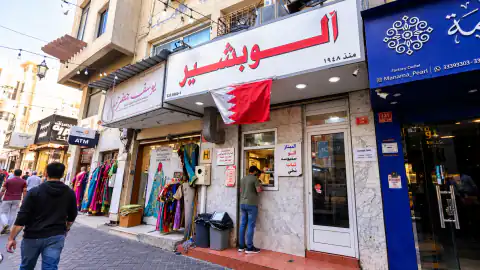 Bahraini & casual diningAloo Basheer in Manama SouqExplore experience →
 Restaurants & fine diningSUSHISAMBA BahrainExplore experience →
 Cultural districtsLa Fontaine art centre & spaExplore experience →
 Nature, landmarks & gardensManama Water GardenExplore experience →