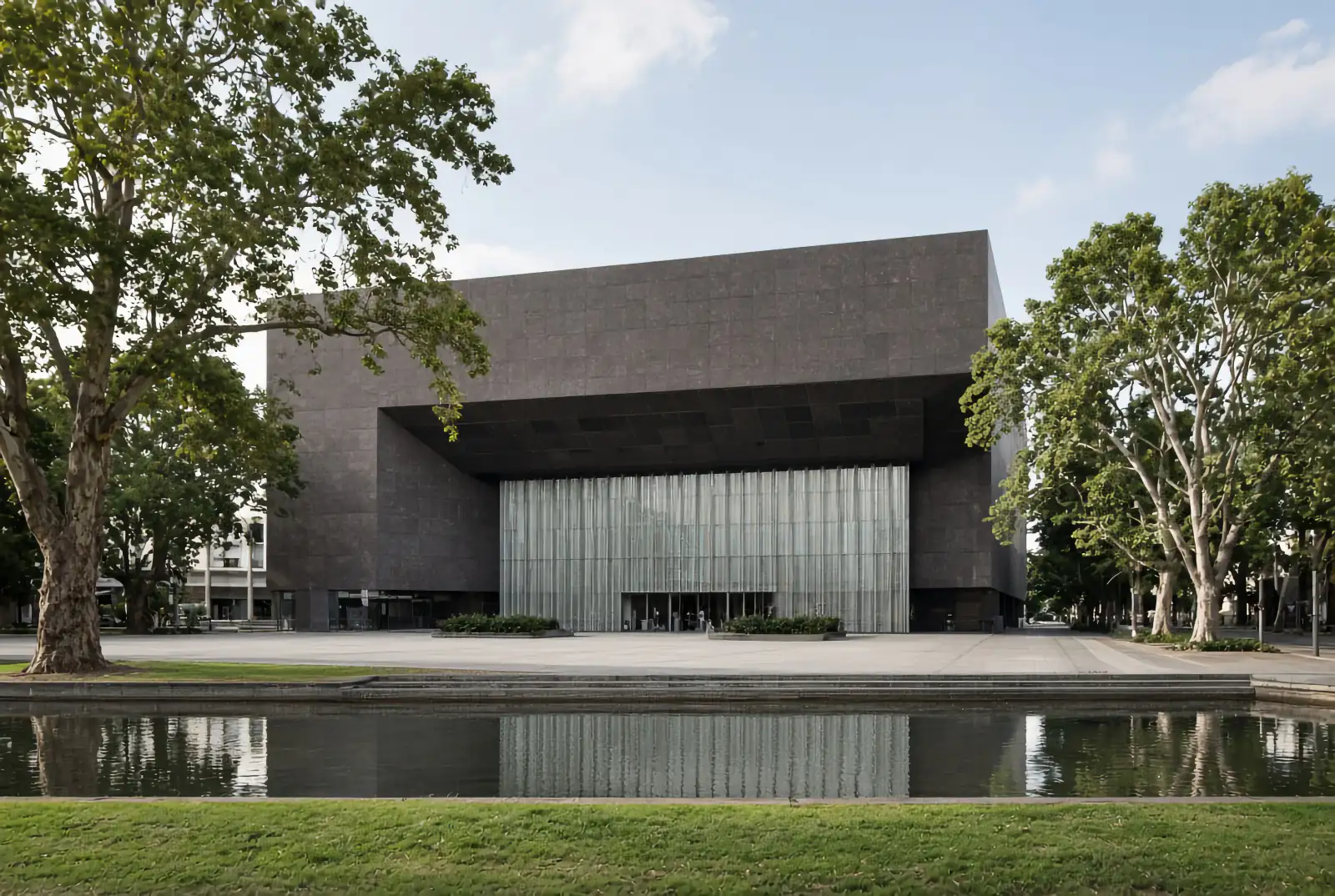
NGV International & the Arts Precinct
Free collection galleries and separately ticketed exhibitions in Melbourne’s St Kilda Road arts precinct.
01 / The experience
NGV International & the Arts Precinct
The Waterwall makes an unmistakable entrance to NGV International. Water runs down the tall glass at the front of Roy Grounds's building, with broad pools outside and the gallery beyond. Opened on St Kilda Road in 1968, the building gives Melbourne's international art collection a setting whose architecture is an attraction in its own right.
Inside, the scale changes from the open entrance spaces to more intimate galleries. Federation Court accommodates large installations, while the hall beyond is known for Leonard French's stained-glass ceiling. Often called the Great Hall, and now named Gandel Hall, it rewards a few minutes looking upwards: the geometry and coloured glass spread across an enormous overhead surface. Roger Kemp's tapestries bring another kind of colour and texture to the walls. The first in the series, Evolving forms, translated one of his paintings into woven wool through a close collaboration with the tapestry workshop.
The collection ranges across periods and media, so a visit need not become a march through every room. European painting is a strong starting point. Tiepolo's The banquet of Cleopatra belongs to the grand, theatrical end of that tradition, its figures and architecture arranged around a lavish encounter. Picasso's Weeping woman offers a very different scale and intensity. Painted in 1937, it connects to the grief explored in Guernica through the fractured image of a woman's face.
Those familiar names sit within a much broader international collection. The NGV's self-guided highlights include a Chinese earthenware guardian spirit, made for a funerary setting, and Lee Ufan's Dialogue, whose apparently simple mark is built from many smaller brushstrokes. The contrast is useful: a gallery visit can move from objects made for ritual purposes to paintings concerned with the act of looking itself. The guardian spirit’s green, amber and cream glaze is known as sancai, or three-colour ware. Its mixture of animal features was intended to protect the dead, giving the small sculpture a purpose very different from the paintings around it. Works rotate and loans alter the displays, so these are collection highlights rather than a promise that every piece will be in its usual room.
Temporary exhibitions offer a more focused visit, often occupying a substantial part of the building. They have their own dates and, in many cases, paid tickets. The general collection remains free, which makes it possible to come for a few galleries and return another day. Two to three hours gives a first visit room for the building, selected collection rooms and a break; a major exhibition may warrant that time on its own.
The location also connects the gallery to a larger cultural afternoon. Arts Centre Melbourne is nearby on St Kilda Road, and Princes Bridge leads back across the Yarra towards Flinders Street Station and Federation Square. The Ian Potter Centre: NGV Australia is over there, with the Australian collection in a separate building. Both belong to the NGV, but they are distinct visits. For international art and the Waterwall entrance, this is the St Kilda Road address.
04 / Before you go
Plan your visit
Prices & admission
General collection entry is free. Some exhibitions and events charge separately.
Opening hours
Normally daily 10:00–17:00; check the NGV visitor page for holiday hours and exhibition entry times.
Getting there
180 St Kilda Road, Melbourne VIC 3006
Walk south from Flinders Street across Princes Bridge, or check tram stops along St Kilda Road.
Plan your experience
General collection entry is free. Some exhibitions and events charge separately.
Location & nearby places
Continue exploring / Melbourne during F1
More to explore
in Melbourne during F1
Find another place for your itinerary, or explore all things to do in Melbourne during F1.
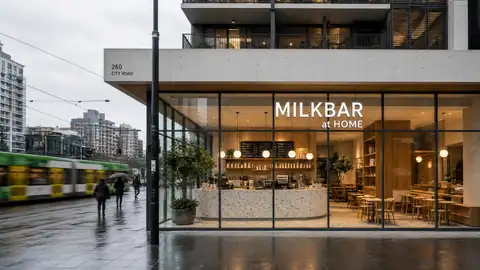 Cafés & bakeriesMilkbar SouthbankDrinks, supplements and surcharges extra.
Price bands per person: $ under A$40 · $$ A$40–79.99 · $$$ A$80–149.99 · $$$$ A$150+.Modern Australian brunchExplore experience →
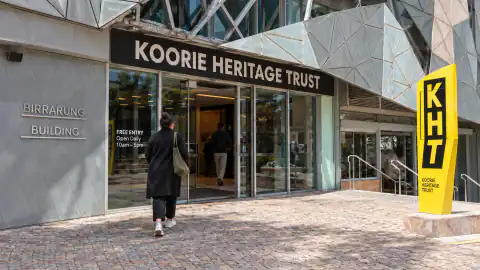 Museums & cultureKoorie Heritage TrustExplore experience →
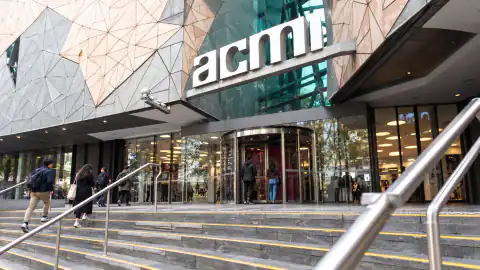 Museums & cultureACMI — The Story of the Moving ImageExplore experience →
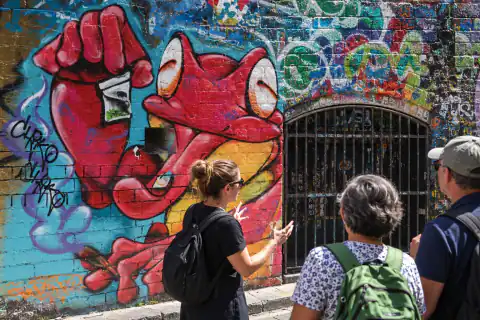 Museums & cultureMelbourne street-art tourExplore experience →