Rota da Escravatura, Lagos
A branch of Museu de Lagos traces the city’s role in the Atlantic slave trade through the findings at Vale da Gafaria.
01 / The experience
What the Vale da Gafaria excavation brought to light
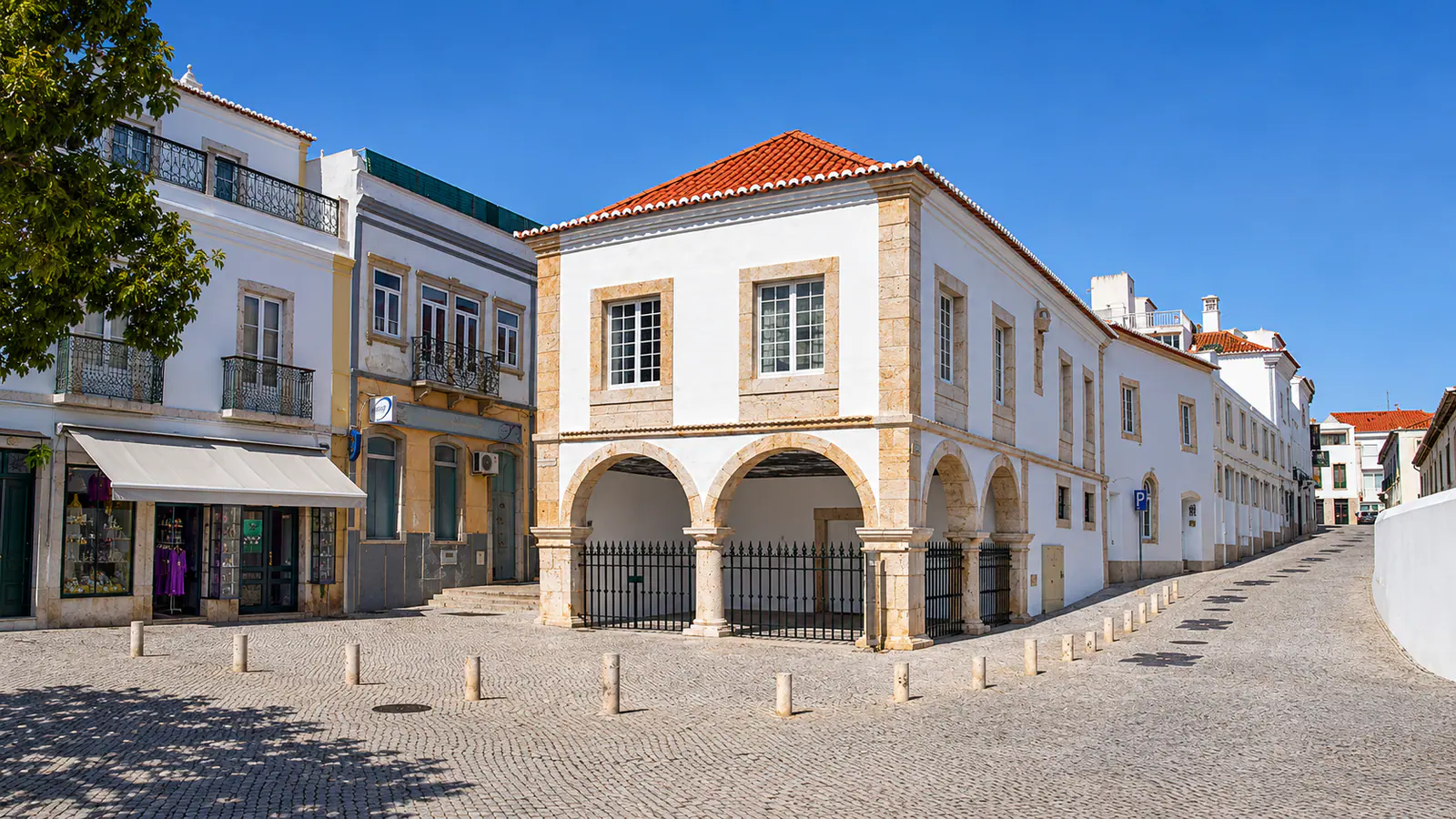
Praça do Infante opens onto the Lagos waterfront, close to the old walls and the church of Santa Maria. On one side sits the arched building known as the Mercado de Escravos. The museum inside reaches beyond the square, to a site outside the old walls where an excavation changed what the city could tell visitors about its part in the Atlantic slave trade.
In 2009, archaeological work ahead of a car park at Vale da Gafaria found the remains of more than 150 people among deposits from a place also used to discard the town’s waste. Research identified them as Africans brought to Lagos through the trade in enslaved people. The circumstances of the burials are a grave part of the story. The exhibition gives those findings a place in the centre of the city, near the waterfront through which people, ships and goods passed.
The museum also looks at what the arrival of enslaved Africans meant for Lagos in the 15th century. This was a port connected to expanding Portuguese routes along the Atlantic coast of Africa. The link between that expansion and the buying and selling of human beings is central to the visit. The evidence from Vale da Gafaria makes it possible to follow that history through real lives, even where names and individual biographies have been lost.
The arched frontage and green doors are easy to find in the square. Inside, bilingual interpretation and the museum’s virtual visit give visitors different ways into the material. The nearby Museu de Lagos offers other chapters of regional history and a visit to the gilded church of Santo António. There is enough time to see both in an afternoon when their opening hours line up, though Rota da Escravatura is worth giving a visit of its own. Back outside, the monuments along the waterfront and the short walk back to the old walls carry more weight after seeing what the excavation revealed.
04 / Before you go
Plan your visit
Cost & admission
€3 standard and €1.50 for eligible visitors. Children up to age 12 enter free. Bring proof for concessions.
When to go
Tuesday–Sunday 10:00–13:00 and 14:00–18:00, with last entry 30 minutes before each closing. Closed Mondays and selected holidays.
Allow 45–60 minutes.
Getting there
Praça do Infante, Lagos
Use the entrance on Praça do Infante, by the waterfront end of the old town.
Plan your visit
Buy admission at the museum. The museum lists reopening on 24 November 2026 after a temporary closure. Check the museum’s hours for your travel day.
Accessibility
The museum offers Portuguese and English interpretation and easy-read material. Ask the museum about the entrance and floor access for your visit.
Location & nearby places
Continue exploring / Portugal
More to explore
in Portugal
Find another place for your itinerary, or explore all things to do in Portugal.
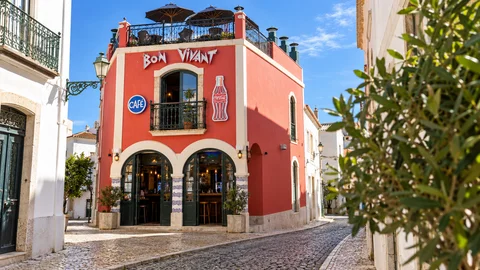 Bars & evening venuesBon VivantEstimated food per personInternationalExplore experience →
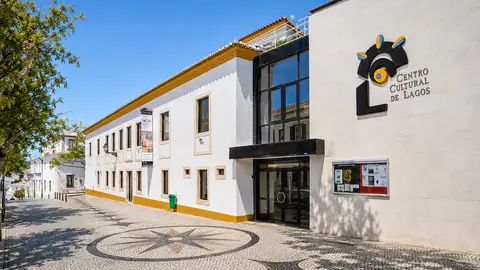 Art, museums & historyCentro Cultural de LagosExplore experience →
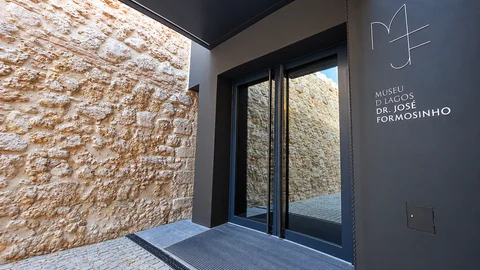 Art, museums & historyMuseu de Lagos – Dr. José FormosinhoExplore experience →
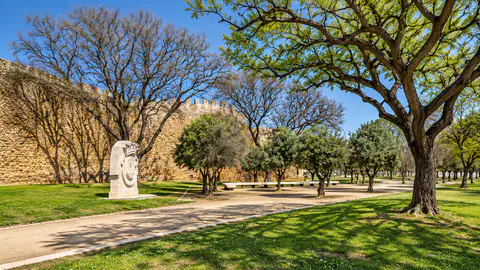 Landmarks & gardensJardim da Constituição & the Old WallsExplore experience →
Good to know
Rota da Escravatura, Lagos: frequently asked questions
Is this at the main Museu de Lagos?
It is a separate museum branch on Praça do Infante, a short walk from the main building and Santo António church.