Teatro Gerolamo · A miniature Milanese theatre
An intimate historic theatre with a puppet-stage past, performances and guided visits by arrangement.
01 / The experience
Teatro Gerolamo · A miniature Milanese theatre
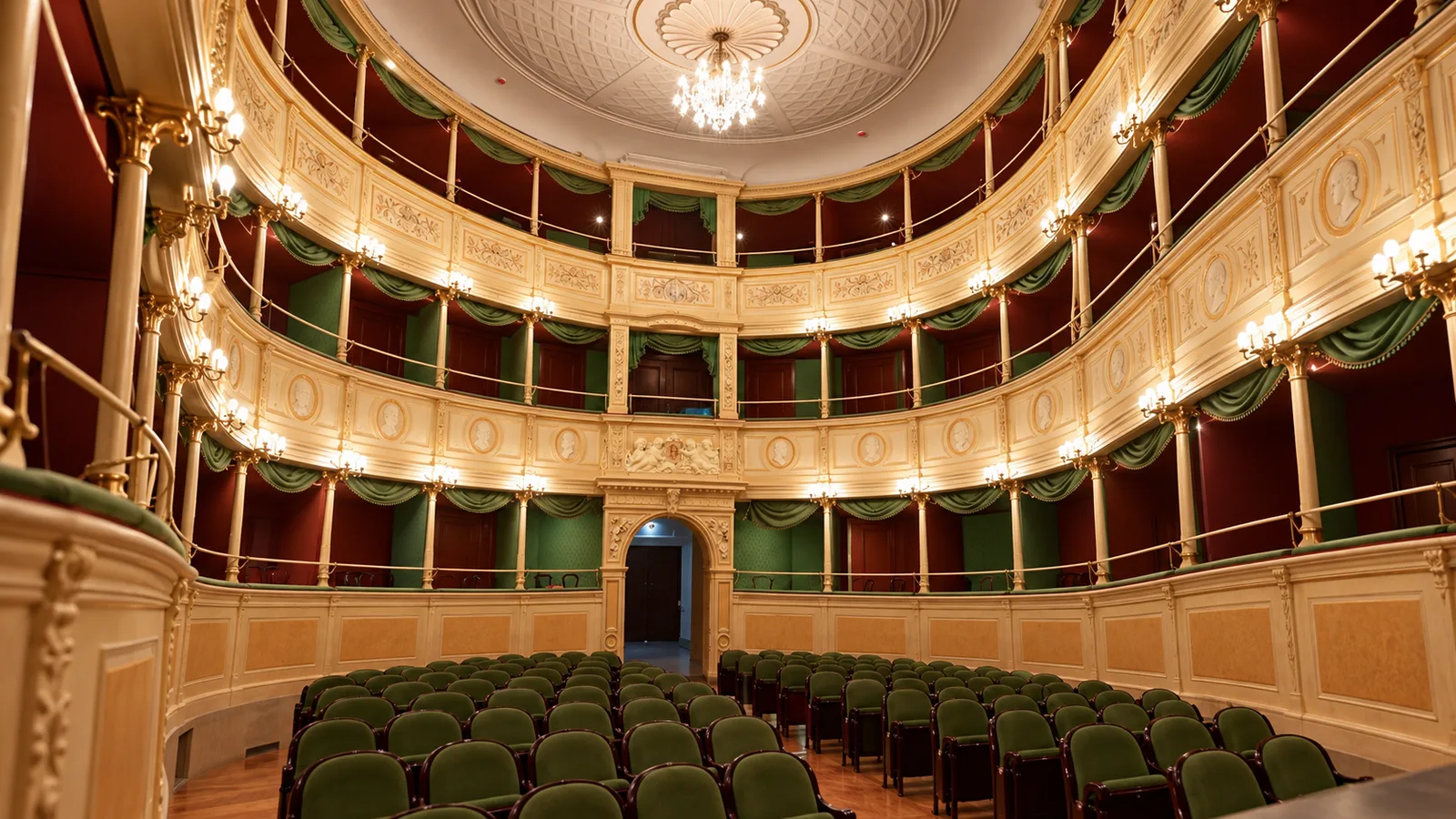
Teatro Gerolamo brings the architecture of a grand Italian theatre into an unusually intimate room. Boxes curve around the auditorium, a gallery rises above them and the stage sits close to the audience. The familiar description of a miniature La Scala makes sense as soon as the room appears, but Gerolamo has a history of its own: marionettes, Milanese dialect theatre, cabaret, music and major performers have all shaped this small stage in Piazza Beccaria.
Built in 1868, the theatre originally held around six hundred people. Its reduced scale suited the world of puppetry, and Giuseppe Fiando was an early central figure. Carlo Colla & Figli took over its management in 1911, beginning the long association that made the Gerolamo a celebrated home for marionette theatre. The company’s miniature performers could inhabit elaborate theatrical worlds within a room that drew human spectators unusually close to them.
That legacy remains a useful way to understand the building. In the Colla version of Il Matrimonio Segreto, for example, Gerolamo himself appears as a comic servant, with music from Cimarosa’s opera alternating with spoken passages. The company presented that work as the theatre returned to public life. It shows how marionette performance here belongs to a sophisticated musical and theatrical tradition, with its own characters and repertoire.
The auditorium has also welcomed actors and singers. After its first closure in 1957, Paolo Grassi helped bring it back into use for recitals, monologues and cabaret. Names in its history include Franca Valeri, Enzo Jannacci, Dario Fo, Franca Rame and Ornella Vanoni. That range explains why the Gerolamo matters within Milan’s cultural life: its compact room has accommodated several forms of performance, each with a different relationship to an audience.
A later closure led to a long restoration before the modern reopening. The restored venue has 209 places, with dark wood and green upholstery helping define the auditorium. The specialist seating work extended to the stalls, boxes and upper gallery, while the wider project added supporting spaces including a café, library and rooms for smaller events. The building now offers more than the view from a theatre seat.
A performance and a guided architectural visit reveal different parts of it. The theatre’s own tours introduce its history and restoration and can reach areas above and below the auditorium that are normally closed to spectators. The programme also includes spoken theatre, music and marionette productions, with the balance changing through the season. For a visitor interested chiefly in the room and backstage spaces, a scheduled tour is the direct option; for the atmosphere of the working theatre, the particular performance and its language are the important choice.
04 / Before you go
Plan your visit
An intimate historic theatre with a puppet-stage past, performances and guided visits by arrangement.
Cost
Performance or tour enquiry
Price and seat category follow the selected performance; guided visits are by arrangement.
When to visit
Scheduled performances and guided visits by arrangement.
Use the selected performance or confirmed guided-visit duration.
Getting there
Piazza Cesare Beccaria 8, 20122 Milano
Use the operator’s visitor entrance at Piazza Cesare Beccaria 8, 20122 Milano.
Plan your visit
Choose a listed performance through the official box office, or enquire about a guided group visit. No September 2027 show or tour date is established by the current programme.
A guided visit does not include a performance.
No daily puppet performance is promised.
Location & nearby places
Continue exploring / Italian Grand Prix
More to explore
in Italian Grand Prix
Find another place for your itinerary, or explore all things to do in Italian Grand Prix.
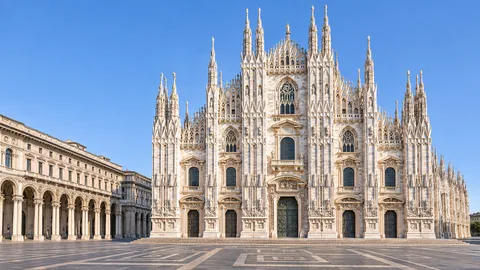 Landmarks & gardensDuomo di Milano and rooftop terracesExplore experience →
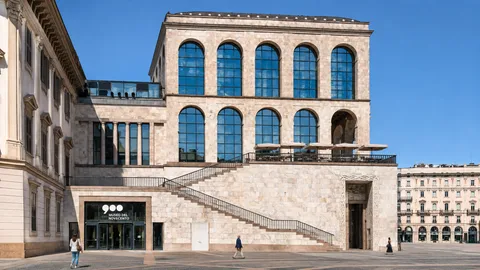 Art, museums & Italian heritageMuseo del NovecentoExplore experience →
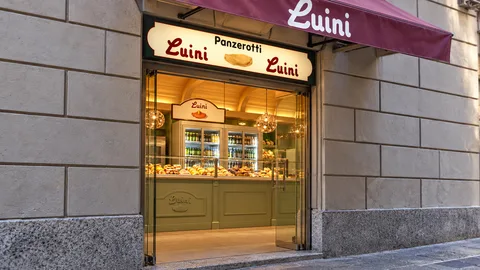 Pizza & affordable Italian foodLuiniAffordable: counter food and pizza. Mid-range: trattorias and osterias. Special occasion: premium à la carte or tasting menus. Figures may describe a dish or a menu; see the stated basis.ItalianPanzerottiExplore experience →
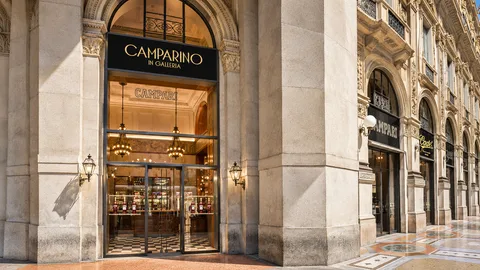 Bars & nightlifeCamparino in GalleriaExplore experience →