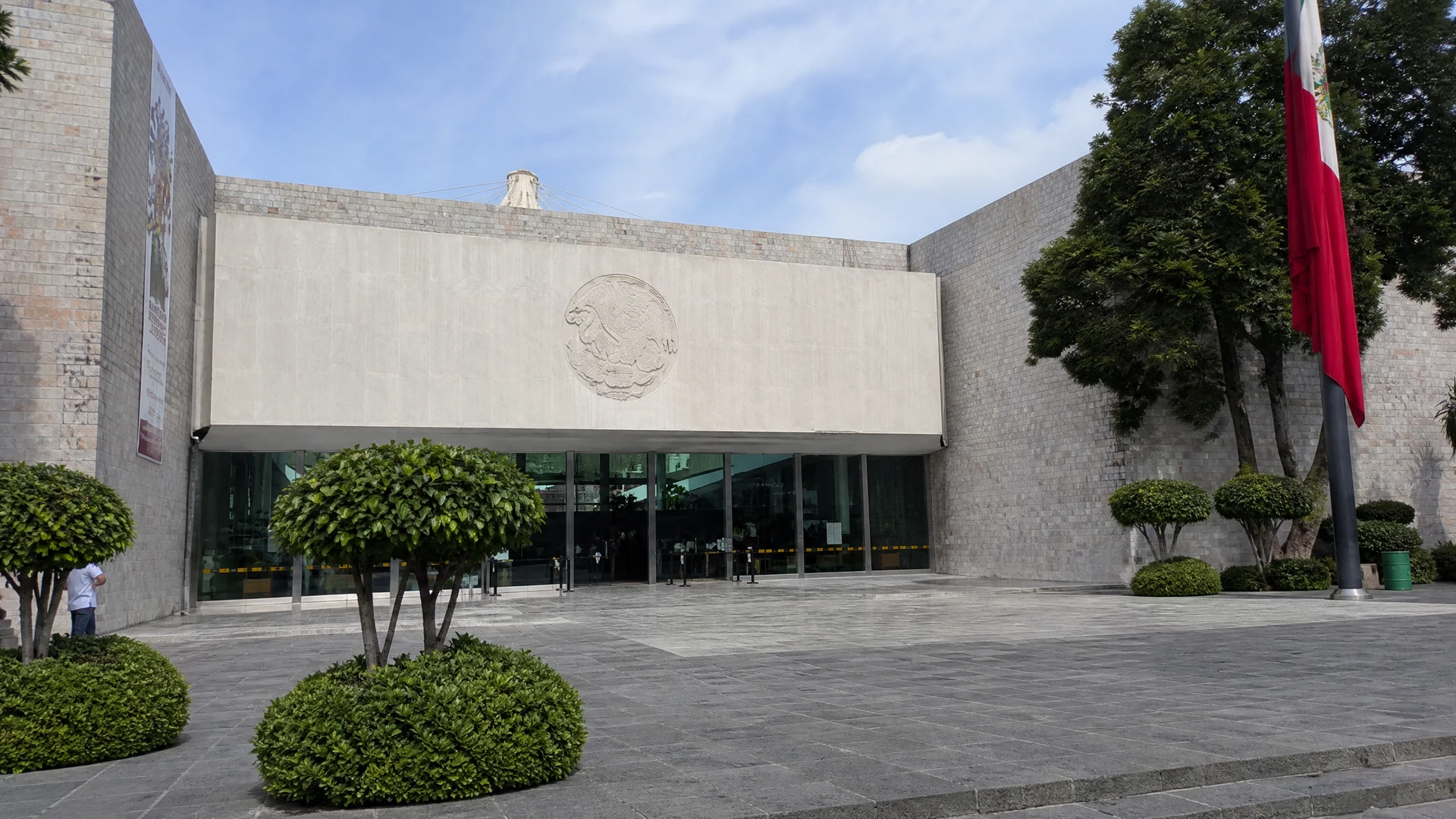
Museo Nacional de Antropología
Choose a few galleries of Mexico’s archaeological and living cultural heritage for a substantial museum visit.
01 / The experience
Museo Nacional de Antropología
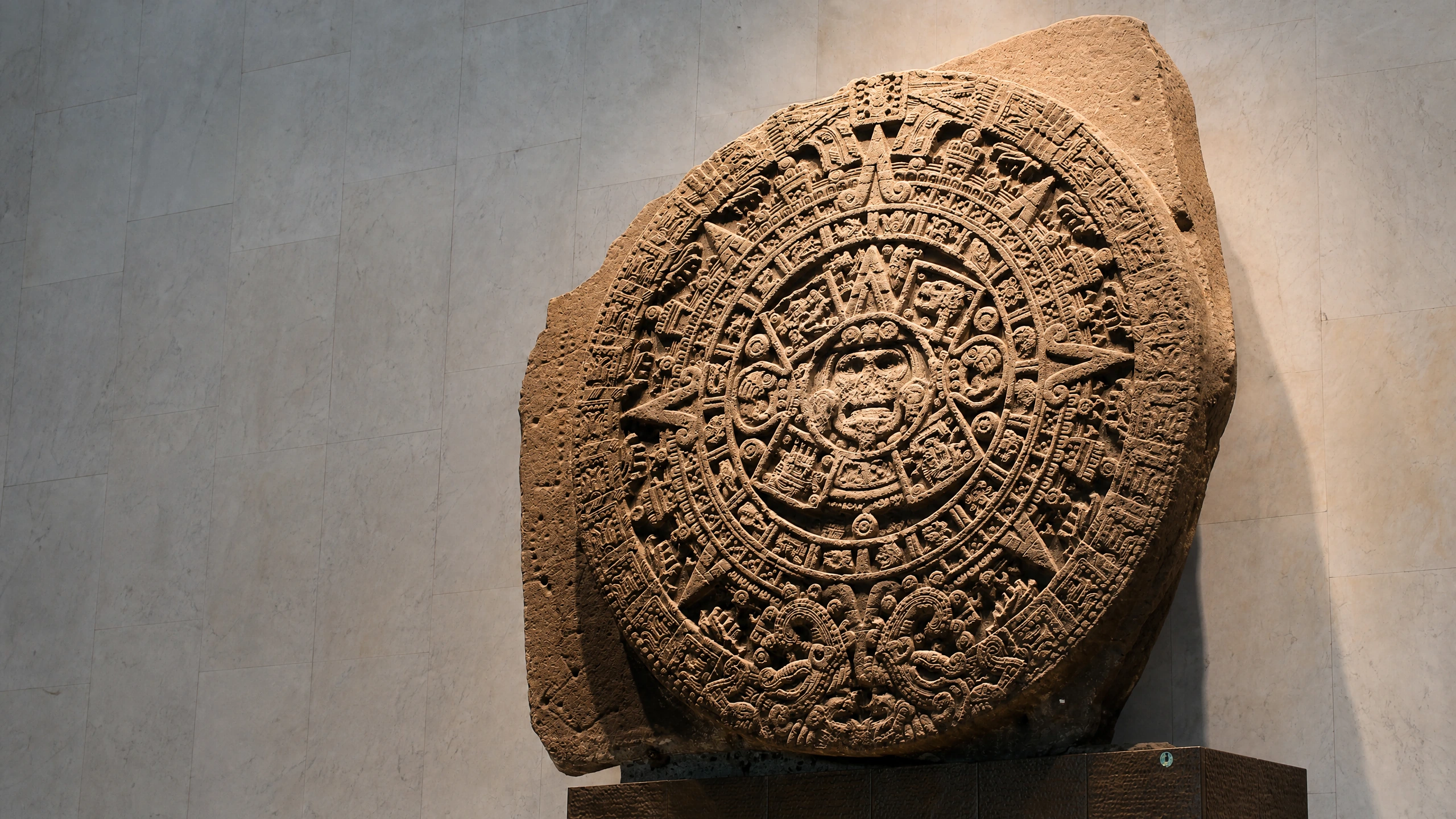
The Museo Nacional de Antropología brings monumental sculpture, intricate objects and Mexico’s living cultural traditions into one substantial Chapultepec visit. Its famous Sun Stone is an obvious draw, but the surrounding collections reward a visit built around several different cultures and materials. The entrance and the great courtyard canopy are part of that experience, linking the galleries through a memorable modern building.
In the Mexica collection, the scale of Coatlicue makes a strong contrast with the seated figure of Xochipilli. Coatlicue’s paired serpent heads and densely carved skirt fill the sculpture with detail; Xochipilli looks upwards from a decorated pedestal. The museum identifies him with flowers and the fertility of plants. Nearby subjects such as the Xiuhcoatl fire serpent and the carved Stone of Tízoc offer another way into the collection, through the animals, symbols and reliefs worked into stone.
The Olmec head provides a different encounter with monumentality. Its broad face, substantial helmet form and rounded volume are unlike the tightly layered carving of the Mexica sculptures. In the Teotihuacan displays, the large Chalchiuhtlicue figure and the colour of the Tepantitla mural bring architecture, painted imagery and sculptural form into the same visit. These are good collections to combine if you want variety without trying to cover every room.
The Maya galleries change the materials and the scale again. The Pakal funerary display brings jade ornaments and a mask into focus, while the reconstruction of his tomb explains a much larger architectural setting. A carved Yaxchilán lintel provides a close view of figures and signs arranged across a stone surface. These displays suit visitors who enjoy looking closely at individual objects as well as seeing the museum’s largest works.
Allow two or three hours for a focused selection, and longer if Anthropology is one of the priorities of your trip. Archaeology is only one part of the museum: the ethnographic collections also address living Indigenous cultures. A visit concentrated on a few galleries leaves room for that wider perspective, a courtyard pause and the onward journey through Chapultepec or towards a meal in Polanco.
In pictures
The full gallery.
Highlights
- 01
Tuesday–Sunday museum visit
- 02
Monday closed
- 03
Sunday concessions depend on eligibility
04 / Before you go
Plan your visit
Choose a few galleries of Mexico’s archaeological and living cultural heritage for a substantial museum visit.
Cost
MXN 210 general admission
Listed admission: General admission MXN 210; eligible Mexican nationals and foreign residents MXN 105 with required identification. Sunday free admission applies to eligible nationals/residents, not all overseas visitors. Check other concessions.
When to visit
Tuesday–Sunday 09:00–18:00. Closed Monday; confirm holiday and special-event exceptions.
Allow 2–3 hours, plus travel
Getting there
Museo Nacional de Antropología
Av. Paseo de la Reforma y Calzada Gandhi, Polanco, Miguel Hidalgo, 11560 Ciudad de México
The pin marks the museum building. Follow the public entrance on Paseo de la Reforma; Auditorio and the Reforma corridor provide approaches. Check the walking connection and any festival diversions before leaving.
Plan your visit
Buy through the INAH ticket link or the museum’s authorised ticket desk. Confirm the selected date, concessions and current entry conditions.
Accessibility
The museum advertises loan wheelchairs in the vestibule. Ask about availability, lifts and the galleries you intend to visit; the approach and crowded periods need separate planning.
Location & nearby places
Continue exploring / Mexico City
More things to do
in Mexico City
Explore Mexico City activities, sights and places to eat. Compare the time to allow, costs and booking details, then save your favourites to your itinerary.
 01Museums & cultureCastillo de Chapultepec · Museo Nacional de HistoriaExplore experience →
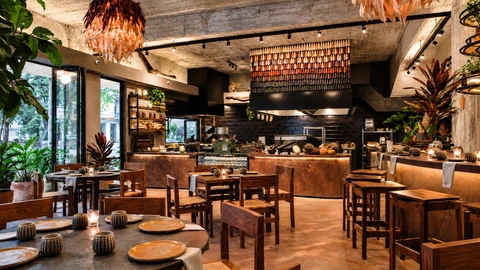 02RestaurantsSiembra ComedorMexicanExplore experience →
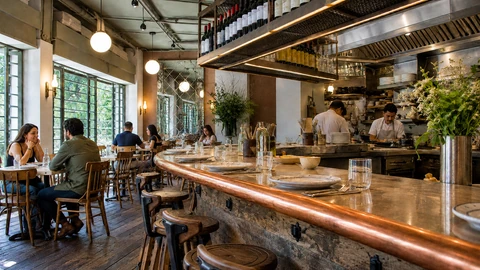 03RestaurantsLardo · CondesaMediterranean and MexicanExplore experience →
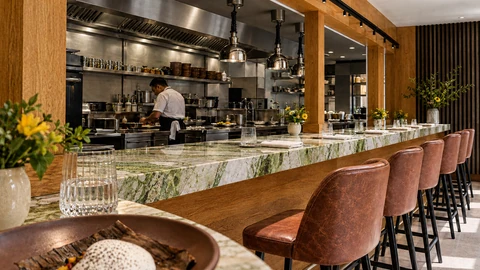 04Destination diningQuintonil · PolancoContemporary MexicanExplore experience →
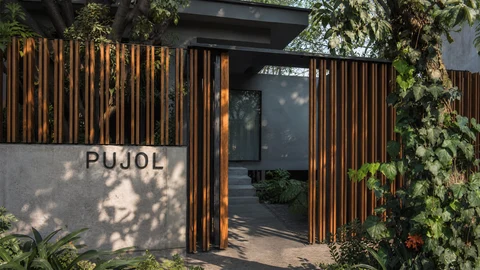 05Destination diningPujol · PolancoContemporary MexicanExplore experience →
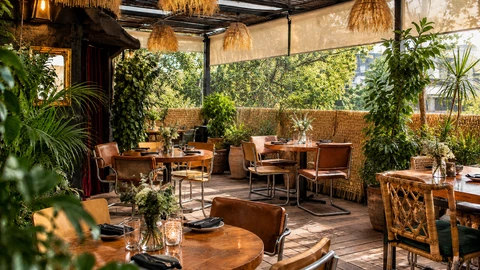 06Destination diningEsquina Común · CondesaCreative MexicanExplore experience →